

You’ll learn practical options for affordable veneers in Riverview, FL and what to expect if you decide to improve your smile locally. Affordable veneers can often be achieved by choosing the right materials, comparing local providers, and using financing or in-office payment plans to spread cost.
They’ll explain how veneers work, the typical placement steps, and realistic cost ranges so you can weigh value against results. Expect clear guidance on finding a trusted Riverview practice, common misconceptions, and simple ways to maintain your new smile.
Understanding Dental Veneers
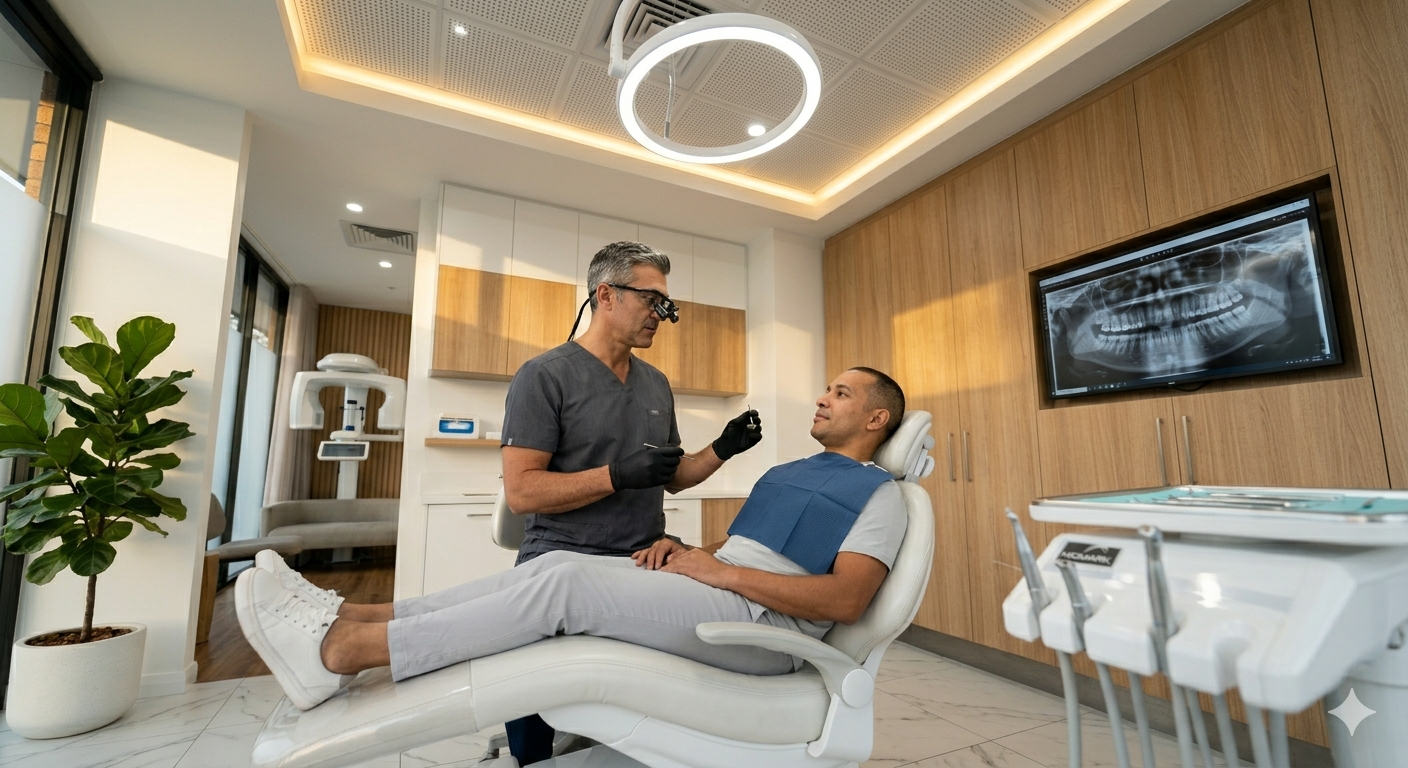
Veneers change tooth appearance by covering the front surface to correct color, shape, size, or minor alignment issues. They require careful material choice, tooth preparation, and evaluation of oral health to ensure a durable, natural-looking result.
What Are Dental Veneers?
Dental veneers are thin shells bonded to the front of teeth to improve aesthetics and function. They commonly address discoloration that whitening won’t fix, chipped or worn edges, gaps, and mildly crooked teeth.
The dentist removes a small amount of enamel—typically 0.3–0.7 mm—for traditional porcelain veneers, then takes impressions to fabricate custom restorations. Bonding involves etching the tooth, applying dental cement, and curing it with light, producing a strong, stain-resistant surface.
Patients can expect improved appearance with proper care: daily brushing with a non-abrasive toothpaste, flossing, and routine dental visits. Veneers are not indestructible; avoiding hard foods and habits like nail-biting or ice-chewing helps prevent fractures.
Types of Veneers Available
Porcelain and composite resin are the main types, each with distinct advantages. Porcelain veneers mimic enamel more closely, resist stains, and last 10–15+ years with good care. They require lab fabrication and typically two appointments.
Composite veneers can be done directly in one visit or indirectly in a lab; they cost less and are easier to repair but stain and wear faster, often lasting 5–7 years. Minimal-prep or “no-prep” veneers (e.g., Lumineers) preserve more enamel but aren’t suitable for all tooth shapes or severe color changes.
Material choice depends on tooth color, bite forces, budget, and desired longevity. The dentist will review shade matching, translucency, and edge design to achieve a natural look that complements facial features.
Candidates for Veneers
Ideal candidates have generally healthy gums and sufficient enamel for bonding. Veneers suit people with intrinsic staining, small chips, minor misalignment, or disproportionate teeth who seek cosmetic improvement without full orthodontics.
They are not ideal for patients with active tooth decay, significant gum disease, heavy bruxism, or very thin enamel. Those with aggressive bite patterns may require a nightguard after treatment.
The dentist evaluates X-rays, bite dynamics, and oral hygiene habits before recommending veneers. A candid conversation about expectations, costs, and maintenance helps patients choose the right approach and plan for long-term care.
Cost-Effective Smile Transformations
This section explains practical cost drivers for veneers, realistic local options in Riverview, FL, and how affordable alternatives compare with traditional porcelain veneers. It highlights what patients should expect to pay, ways to lower out-of-pocket costs, and trade-offs in durability and appearance.
Factors Affecting the Price of Veneers
Several concrete elements determine veneer pricing: material, number of teeth treated, laboratory vs. in-office fabrication, and preparatory work like fillings or gum treatment. Porcelain veneers from a certified dental lab typically cost more per tooth than composite resin because porcelain requires custom milling and color-matching sessions.
Location and practitioner experience also influence fees. A cosmetic dentist in Riverview who uses digital smile design and high-quality labs will charge more than a general dentist offering quicker composite options. Additional costs can arise from X-rays, bite adjustments, or temporary restorations.
Insurance rarely covers cosmetic veneers, though coverage may apply if veneers correct functional issues. Patients should request an itemized estimate showing lab fees, material charges, and any required preparatory procedures.
Budget-Friendly Options in Riverview, FL
Riverview clinics often offer several lower-cost paths to an improved smile: composite veneers, limited-number porcelain cases, and phased treatment plans. Composite veneers are placed directly by the dentist in one visit and typically cost 30–60% less than porcelain per tooth.
Many local practices provide payment plans, 0% interest financing, and in-house membership plans that reduce exam and cleaning costs. Community dental schools or supervised residency clinics nearby sometimes offer reduced rates from skilled trainees under faculty oversight.
Patients should obtain before-and-after photos and ask about expected lifespan: composite usually lasts 5–7 years, while quality porcelain can last 10–15 years. Request warranties or maintenance guidance to gauge long-term value.
Comparing Traditional and Affordable Veneers
Traditional porcelain veneers deliver superior stain resistance, translucency, and longevity but come with higher initial costs and multiple appointments. Porcelain requires tooth preparation, impression taking, and lab fabrication, making it the premium choice for dramatic, long-term cosmetic goals.
Affordable alternatives like direct composite veneers offer lower upfront cost, same-day treatment, and easier repairs. However, composites are more prone to staining and chipping and may need replacement sooner.
Use this quick comparison table to weigh options:
| Feature | Porcelain Veneers | Composite Veneers |
|---|---|---|
| Cost per tooth | Higher | Lower |
| Durability | 10–15+ years | 5–7 years |
| Appearance | High translucency, natural | Good, but less lifelike |
| Repairability | Harder; may need replacement | Easier; can be repaired chairside |
| Number of visits | Multiple | Single visit possible |
Patients in Riverview should discuss goals, budget, and timelines with their dentist to choose the option that balances aesthetics and cost. They often find a hybrid approach—porcelain for front teeth and composite for less-visible teeth—provides a strong compromise.
The Veneer Placement Process
This section explains what patients can expect from the first visit through recovery, the steps involved in prepping and placing veneers, and practical aftercare tips to protect the investment.
Initial Consultation and Assessment
During the first visit, the dentist reviews medical and dental history and asks about cosmetic goals. They perform a clinical exam, take intraoral photos, digital X-rays, and often digital scans to map tooth shape and bite.
The dentist evaluates enamel thickness, existing restorations, and gum health to confirm veneer suitability. If decay or gum disease exists, those issues get treated before veneers begin.
Patients discuss shade selection and design preferences with the dentist using shade guides and before-and-after photos. The practice typically provides a cost estimate and financing options, plus a timeline for treatment steps.
Step-by-Step Treatment Overview
Treatment often requires two appointments plus a short preparatory visit when needed. First, the dentist removes a thin layer of enamel—usually 0.3–0.7 mm—to make room for the veneer and ensure a natural fit.
Next, the clinician takes precise digital or physical impressions and sends them to the dental lab. The lab fabricates bonded porcelain or composite veneers to match the chosen shade and shape.
At placement, the dentist checks fit, shape, and color, making small adjustments. They clean and etch the tooth surface, apply bonding agent, and cure the veneer with a light. Final bite checks and polish ensure comfort and esthetics.
Recovery and Aftercare Tips
Patients may feel mild sensitivity for a few days after bonding; over-the-counter pain relievers and a soft diet reduce discomfort. Avoid very hot or cold foods if sensitivity persists beyond 48–72 hours and report prolonged pain.
Maintain oral hygiene—brush twice daily with a non-abrasive toothpaste and floss gently at the margin of each veneer. Use a nightguard if the dentist identifies grinding or clenching to prevent chipping.
Avoid biting hard items (ice, pens) and limit staining foods and drinks in the first 48 hours; routine dental check-ups every six months help monitor veneers and surrounding gums. Contact the dental office promptly for loosened or chipped veneers to arrange repairs or replacements.
Benefits of Choosing Veneers
Veneers can transform smiles with targeted improvements to color, shape, and alignment while preserving healthy tooth structure when done correctly. They offer predictable, stain-resistant results and a treatment pathway that balances aesthetics with long-term oral health.
Improving Confidence and Appearance
Veneers cover chips, gaps, worn enamel, and severe discoloration that whitening cannot fix. Patients often report immediate improvements in smile symmetry and tooth proportion after placement, which improves how they present themselves in work and social situations.
The color and translucency of porcelain or resin veneers can be customized to match surrounding teeth or create a brighter, natural-looking smile. Dentists use shade guides and digital imaging to preview results before any irreversible work begins.
Veneers also allow for minor cosmetic alignment changes without braces, reducing treatment time from months to weeks. For people with uneven edges or small overlaps, veneers provide a quick cosmetic correction while maintaining a natural tooth appearance.
Long-Lasting Results
Porcelain veneers resist staining from coffee, tea, and tobacco better than natural enamel or resin composites. With routine brushing, flossing, and regular dental check-ups, porcelain veneers commonly last 10–15 years; some last longer with excellent care.
Bonding strength and material choice affect longevity. Porcelain offers superior wear resistance; composite veneers are less expensive but typically require more maintenance. Choosing a qualified dentist and good at-home hygiene reduces the risk of edge chipping and marginal decay.
Insurance may not cover purely cosmetic veneers, but many practices offer financing or phased treatment plans to spread costs. Discussing realistic expectations and maintenance responsibilities up front helps patients protect their investment and extend the lifespan of their veneers.
Minimally Invasive Procedures
Modern veneer protocols emphasize conserving natural tooth structure. Many veneers require only light enamel reduction—often 0.3–0.7 mm—so the procedure stays within the enamel layer where bonding is strongest.
Some options include no-prep or ultra-thin veneers that eliminate or greatly reduce drilling. These are appropriate for specific cases where tooth position and existing enamel allow; a thorough examination and diagnostic mock-up determine candidacy.
The clinical sequence typically involves impressions or digital scans, temporary veneers when needed, and final bonding in one or two appointments. Local anesthesia minimizes discomfort, and recovery is straightforward: mild sensitivity for a few days, then normal eating and oral hygiene resume.
Finding the Right Dental Provider in Riverview
Choose a dentist who combines technical skill, modern technology, and clear communication. Prioritize clinics that explain treatment options, provide transparent pricing, and create a calming experience for nervous patients.
What to Look for in a Cosmetic Dentist
Look for a dentist with specific veneer experience—ask how many porcelain veneer cases they complete yearly and request before-and-after photos of local patients. Board certifications, cosmetic dentistry fellowship training, or membership in organizations like the American Academy of Cosmetic Dentistry indicate continuing education and commitment to aesthetics.
Confirm the practice uses digital imaging and shade-matching tools such as digital smile design, intraoral scanners, and spectrophotometers; these reduce guesswork and improve final esthetics. Ask about lab partnerships—high-quality dental labs with ceramists skilled in layering porcelain yield more natural results. Also verify warranty and follow-up policies for veneers, including adjustments and repairs.
Patient Comfort and Support
Assess how the office handles anxiety and pain management. Check whether they offer nitrous oxide, oral conscious sedation, or simply longer appointment times to go at a patient’s pace. Staff demeanor matters: friendly, patient-centered assistants and hygienists make appointments less stressful.
Inspect the clinic environment for cleanliness, private consultation rooms, and clear consent forms that explain risks, benefits, and alternatives. Confirm scheduling flexibility for multiple prep and try-in visits. Ask about financing options and transparent fee breakdowns so patients can plan without unexpected costs.
Reading Reviews and Success Stories
Read multiple sources: Google Business, Yelp, Healthgrades, and the practice’s own website. Focus on recent reviews that mention veneer-specific outcomes—color match, biting comfort, and longevity—rather than general praise. Filter out overly brief or extreme reviews and look for consistent themes.
Request patient referrals or ask to speak with someone who had veneers done at the office. Look at photo documentation of full cases with timelines from prep to final seating. Note comments about communication, follow-up care, and whether the patient felt informed during each step—those details predict the experience more than star ratings alone.
Financing and Payment Options
Many practices in Riverview, FL offer flexible payment choices to make veneers more attainable. They explain costs clearly and work with patients to find manageable plans.
Patients can use traditional payment methods such as cash, credit cards, and checks. Clinics often provide itemized estimates so people know what each part of treatment covers.
Dental insurance may cover part of the exam or preparatory work, but veneers are usually considered cosmetic and may not be fully covered. Staff can check benefits and submit claims on the patient’s behalf.
Several offices partner with third-party lenders for dental financing. Typical options include:
- Short-term no-interest plans for quick payoff.
- Low-interest extended plans for multi-month payments.
- Deferred-interest plans if paid within a set period.
Providers often outline monthly payment examples to help patients compare options. For instance, a $2,400 veneer case might be shown as $200/month over 12 months at 0% interest or $90/month over 36 months with low interest.
Many clinics accept Health Savings Accounts (HSA) or Flexible Spending Accounts (FSA) when veneers address a functional concern. Staff can advise how to use tax-advantaged accounts and what documentation is needed.
They recommend discussing budget and goals during the consultation. Asking for a written treatment plan, financing breakdown, and alternative options helps patients choose confidently and comfortably.
Maintaining Your New Smile
Proper daily care, thoughtful food and habit choices, and routine dental visits keep veneers looking natural and lasting longer. Small habits protect the bond, prevent staining, and catch wear before it becomes a problem.
Daily Care and Oral Hygiene
They should brush twice daily with a soft-bristled toothbrush and non-abrasive fluoride toothpaste to protect the veneer surface and underlying enamel. Use gentle circular motions along the gumline and veneer margins to remove plaque without scratching the porcelain or composite.
Flossing once a day is essential; slide the floss up and down against each tooth and around the veneer-tooth junction. If floss frays, a floss threader or interdental brushes help clean tight contacts without damaging the restoration.
An alcohol-free antiseptic mouthwash can reduce bacteria around the margin. For patients prone to sensitivity, desensitizing toothpaste used nightly can ease discomfort while the gums adapt.
Foods and Habits to Avoid
They should avoid biting directly into hard items—ice, hard candies, nuts, and popcorn kernels—to reduce risk of chipping or debonding. Use scissors or cut food into small pieces instead of using teeth as tools.
Limit highly pigmented foods and drinks (coffee, red wine, curry, soy sauce, and tobacco) to prevent surface staining; if consumed, rinse with water or brush within 30–60 minutes. Acidic foods and beverages (citrus, soda, sports drinks) weaken enamel and the cement bond, so drink acidic beverages through a straw and avoid prolonged sipping.
If the patient grinds or clenches teeth, a custom nightguard prescribed by the dentist protects veneers from fracture and wear. Nail-biting, pen-chewing, and opening packages with teeth should stop immediately.
Regular Checkups for Lasting Results
They should schedule dental exams and professional cleanings every six months, or more often if advised, so the dentist can check margins, contacts, and bite. The dentist will assess cement integrity, look for microleakage, and polish any surface stains without removing the veneer material.
X-rays and bite evaluations during visits help detect underlying decay or changes in opposing teeth that could compromise veneers. If any chip, debonding, or sensitivity appears between visits, contact the dental office promptly to minimize repair complexity.
Discussing cosmetic goals and any lifestyle changes at follow-ups allows the dentist to recommend maintenance steps, shade touch-ups, or replacement timing to keep the smile both healthy and attractive.
Common Concerns and Misconceptions
Patients often worry about cost, longevity, and whether veneers actually suit their teeth. Clear information about financing, material options, and candidacy helps people decide with fewer surprises.
Addressing Affordability Myths
Many assume veneers always cost several thousand dollars per tooth, but Riverview practices offer options that lower out-of-pocket expenses. Porcelain veneers remain pricier due to lab work and durability, while composite veneers typically cost 40–70% less and can be completed in one visit.
Insurance usually won’t cover purely cosmetic veneer work, yet some plans cover part of preparatory or restorative treatment—like repairing decay or replacing old crowns—so patients should check benefits before treatment. Clinics commonly provide third-party financing, in-office payment plans, or membership plans that spread costs over months with manageable payments.
Dental practices in Riverview sometimes offer bundled pricing for multiple veneers and seasonal promotions that reduce per-tooth rates. An initial consultation with a local dentist will produce an itemized estimate showing lab fees, tooth preparation, temporary restorations, and follow-up visits, making true cost transparent.
Understanding Durability
Porcelain veneers typically last 10–15 years with proper care; some last longer when patients avoid biting hard objects and maintain good oral hygiene. Composite veneers have shorter lifespans, often 5–7 years, but are cheaper and easier to repair in-office if damaged.
Veneers are not immune to chips or stains. Porcelain resists staining far better than composite, but habits like smoking or heavy coffee drinking can still affect adjacent teeth and margins. Dentists recommend night guards for patients who grind their teeth and custom retainers after orthodontic treatment to protect veneers.
Regular dental check-ups every six months let clinicians spot margin wear, recurrent decay, or bite changes early. When problems occur, options range from minor repairs and re-polishing to replacement, depending on material and extent of damage.
Are Veneers Right for You?
Not everyone qualifies for veneers; suitability depends on tooth structure, bite alignment, and oral health. Patients with significant decay, insufficient enamel, or severe bruxism may require restorative alternatives—crowns, bonding, or orthodontics—before cosmetic veneer work.
Dentists evaluate gum health, existing fillings, and enamel thickness during consultation and use X-rays and bite analysis to form a treatment plan. For people seeking minor shape or color changes, minimal-prep or “no-prep” veneers might suffice, while those needing larger corrections often need conventional porcelain veneers.
A personalized trial smile using digital mock-ups or temporary veneers helps patients preview results and adjust expectations. Dentists in Riverview encourage patients to ask about material trade-offs, maintenance needs, and expected longevity before committing to treatment.
Next Steps to a Brighter Smile
Patients who are ready to explore affordable veneers in Riverview, FL should start with a consultation. A dentist will assess oral health, discuss cosmetic goals, and explain veneer options and costs.
They often recommend a brief exam and digital photos to design the smile. This helps the dental team create a clear treatment plan and timeline.
Consider these practical steps before committing:
- Schedule a consultation to review options and pricing.
- Request a treatment plan with itemized costs and financing choices.
- Ask about mock-ups or temporary veneers to preview the result.
Insurance may not cover purely cosmetic veneers, so patients should ask about payment plans. Many practices offer financing or in-house plans to spread costs over months.
During the consultation, patients can raise concerns about sensitivity, tooth preparation, and longevity. A friendly dentist will explain conservative approaches like minimal-prep veneers and maintenance tips.
After deciding, the typical process includes preparation, impressions or scans, and final placement at a follow-up visit. Recovery is usually quick, with simple home care instructions and routine checkups.
If questions remain, the dental office can provide before-and-after photos, testimonials, and a breakdown of alternatives like bonding or whitening. They encourage patients to call or book online to discuss options and next steps.
Frequently Asked Questions
This section answers specific cost, comfort, durability, and treatment-choice questions about getting affordable veneers in Riverview, FL. It covers price ranges, lower-cost but natural options, material differences, pain expectations, lifespan, and whether veneers suit certain cosmetic issues.
How much do veneers typically cost, and what factors can make the price go up or down?
Veneer costs in Riverview typically range from about $400–$1,200 per tooth for composite and $900–$2,500 per tooth for porcelain. Prices vary by dentist experience, material quality, lab fees, and whether preparatory work (root canals, crowns, gum treatment) is needed.
Insurance rarely covers purely cosmetic veneers, though coverage may apply if treatment corrects function after trauma. Financing plans, in-office discounts, or dental membership plans can lower out-of-pocket costs.
Are there budget-friendly veneer options that still look natural and last well?
Composite veneers provide a budget-friendly option that can look natural when placed by an experienced dentist. They typically cost less and require fewer visits, making them a common choice for patients watching their budget.
Porcelain mini-veneers or lab-fabricated thin veneers (e.g., no-prep veneers) can sometimes reduce cost if minimal prep is needed and fewer teeth are treated. Discuss aesthetic goals with the dentist to balance cost and expected appearance.
What’s the difference between porcelain and composite veneers, and which one is easier on the wallet?
Composite veneers are resin applied and shaped in the office; they cost less upfront and usually need repair or replacement sooner. Porcelain veneers are lab-made, resist stains better, and mimic natural tooth translucency, but they cost more.
For short-term budget constraints, composite is easier on the wallet. For long-term value and appearance, porcelain often provides better durability and a more natural look.
Do veneers hurt, and what can I expect during and after the appointment to stay comfortable?
Most patients tolerate veneer prep with local anesthesia and report minimal pain during the procedure. Some sensitivity to hot and cold can occur for a few days to weeks after placement.
Dentists recommend over-the-counter pain relievers if needed and avoiding very hard or sticky foods for the first 48–72 hours. Follow-up appointments allow adjustments if bite or sensitivity persists.
How long do veneers usually last, and what simple habits help protect them from chips or stains?
Composite veneers typically last 5–7 years; porcelain veneers commonly last 10–15 years with proper care. Longevity depends on bite forces, oral hygiene, and habits like teeth grinding.
Protect veneers by wearing a nightguard if grinding, avoiding biting hard objects (ice, pens), brushing twice daily with a non-abrasive toothpaste, flossing daily, and having regular dental checkups and cleanings.
Can veneers fix gaps, worn edges, or uneven teeth, or would another treatment be a better fit?
Veneers can close small gaps, rebuild worn edges, and mask minor misalignment for a uniform appearance. They work best when tooth positions are reasonably aligned and bite issues are not severe.
Orthodontic treatment, crowns, or bonding may be better for large gaps, significant bite problems, or teeth with extensive decay or structural damage. A consultation will determine whether veneers or an alternative provides the best functional and aesthetic outcome.