
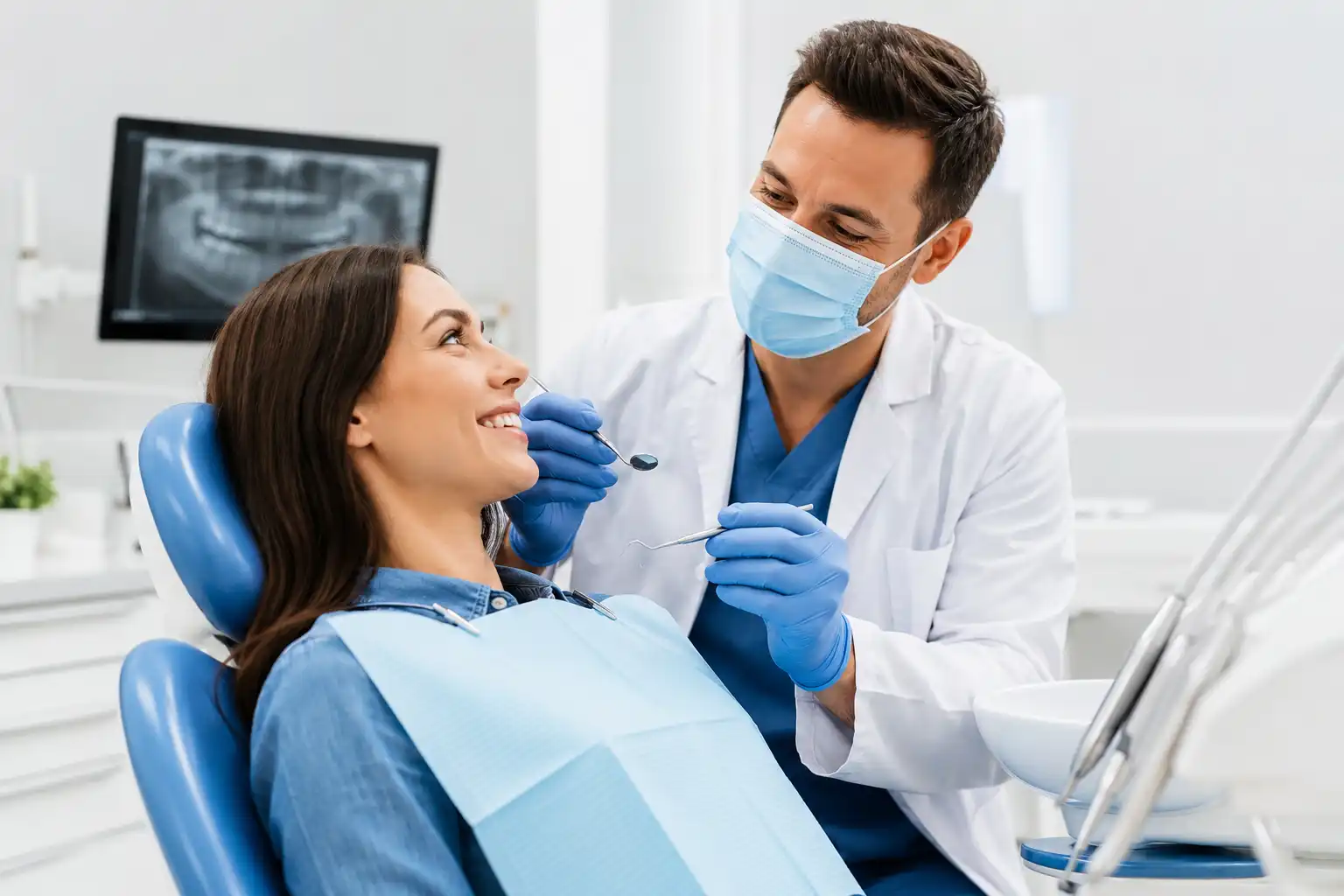
When a tooth pain flares or a knocked-out tooth leaves you unsure what to do next, a local emergency dentist in Riverview, FL can provide fast relief and clear next steps. You can get same-day help for severe pain, broken teeth, lost restorations, and injuries that risk infection or permanent damage.
They explain how to recognize true emergencies, what to do before you arrive, and which modern pain-control options ease both discomfort and anxiety. This article outlines common emergencies treated in Riverview, how local clinics respond after hours, and practical prevention tips so you spend less time worrying and more time healing.
Common Dental Emergencies Treated in Riverview
This section outlines urgent tooth and gum problems that local clinics commonly handle, and gives clear steps for immediate care plus typical in-office treatments.
Chipped or Broken Teeth
A small chip often only affects enamel, while larger breaks can expose dentin or the pulp, causing pain and infection risk. Patients should save any tooth fragments and rinse the mouth with warm water; applying a cold pack to the cheek reduces swelling.
Dentists in Riverview assess fracture depth with visual exam and X-rays. Treatment ranges from smoothing and bonding for minor chips, to porcelain veneers or crowns for larger structural loss. If the pulp is exposed, root canal therapy followed by a crown prevents infection and restores strength.
Emergency appointments aim to protect the tooth and manage pain the same day when possible. Clinics discuss cosmetic outcomes, timelines, and insurance options so patients know what to expect.
Severe Toothache Relief
A sudden, severe toothache can signal an abscess, deep decay, or cracked tooth. Immediate steps include rinsing with saline, flossing to remove trapped debris, and taking OTC analgesics per label instructions; avoid placing aspirin directly on the gum.
Clinicians perform tests (percussion, cold, bite) and X-rays to locate the source. Treatment may include antibiotics for infection, root canal therapy to remove inflamed pulp, or extraction if the tooth cannot be saved. Local anesthesia and modern suction make procedures comfortable.
Follow-up care focuses on pain control, completion of definitive treatment, and checks for spreading infection. Providers also review preventive measures to reduce recurrence, such as fluoride use and timely restorations.
Knocked-Out Teeth
Time is critical: a tooth replanted within 30–60 minutes has the best chance of survival. Handle the tooth by the crown only; if dirty, rinse briefly with water but do not scrub or remove tissue fragments. If possible, reinsert the tooth and hold it in place, or store it in milk or saliva during transport.
Riverview emergency dentists assess root condition and perform reimplantation with splinting to adjacent teeth. They prescribe antibiotics and a soft diet, and schedule follow-ups to monitor pulp vitality and root healing. Children may require different protocols if the root is still developing.
If reimplantation isn’t possible, immediate options include a dental implant or fixed bridge once healing allows. The team explains timeline and costs, helping patients choose the most appropriate long-term replacement.
Lost Fillings or Crowns
A lost filling or crown can leave a tooth sensitive and vulnerable to decay. First aid includes saving the restoration if intact, rinsing the mouth, and using dental cement or sugar-free gum as temporary fillers until an emergency visit. Avoid chewing on that side.
At the clinic, the dentist inspects for decay or fracture beneath the restoration. If the crown or filling is salvageable, they may re-cement it. Otherwise, they remove decay and place a new filling, build up the tooth, or fit a new crown. For large failures, a post-and-core or onlay may be recommended.
Appointments prioritize protecting the exposed tooth, relieving sensitivity, and planning a durable repair. Practitioners also discuss how to reduce future failures, such as nighttime bite guards for bruxism.
Recognizing Signs That Need Immediate Attention
These situations require prompt assessment to prevent complications and preserve oral health. Quick recognition and timely action often mean simpler treatment and better outcomes.
Sudden and Intense Pain
Severe, sharp tooth pain that starts abruptly often indicates acute pulp inflammation or a cracked tooth. Pain that wakes a person at night, radiates to the ear or jaw, or intensifies with tapping or cold suggests the nerve is compromised and needs same-day evaluation.
If pain follows trauma — a blow to the mouth or a knocked-out tooth — emergency care is essential to attempt tooth reattachment or stabilize damage. Over-the-counter pain relievers can be used short-term, but they do not replace professional diagnosis and treatment.
Describe pain location, onset, and triggers when calling a dental office. Photos of swelling or the injured area help triage staff decide urgency and prepare appropriate interventions.
Swelling or Abscess
Visible swelling on the gums, a raised bump that drains pus, or a painful lump near a tooth often signals a dental abscess. Abscesses represent localized infection that can destroy bone and soft tissue if untreated, so drainage and antibiotics may be needed promptly.
If swelling is firm, spreading, or accompanied by fever, the infection could be advancing beyond the tooth. Immediate attention reduces the risk of systemic spread and usually shortens recovery time.
Record symptoms like fever, bad taste, or recurrent swelling when seeking care. The dentist will evaluate with an exam and X-rays to plan drainage, root canal treatment, or extraction as indicated.
Persistent Bleeding
Bleeding after dental work or trauma that continues more than 20–30 minutes despite pressure suggests a problem requiring urgent care. Persistent bleeding may come from lacerated gums, damaged tissue, or clotting issues that need professional management.
If a person takes blood thinners or has a bleeding disorder, any uncontrolled oral bleeding merits immediate contact with a dental provider or emergency services. The office can advise on pressure techniques, topical agents, and whether in-office measures are needed.
Keep firm gauze over the site and avoid spitting or rinsing vigorously. Note the amount and frequency of bleeding when describing the situation to the dental team.
Infections Spreading to Face or Jaw
Redness, increasing swelling, difficulty breathing or swallowing, and tightness in the jaw (trismus) can indicate infection spreading into facial spaces. This situation carries risk of airway compromise or deeper neck infection and requires immediate emergency care or hospital referral.
Early signs include rapidly expanding swelling, high fever, or swollen lymph nodes on one side of the face or neck. Delayed treatment increases the chance of hospitalization, IV antibiotics, and surgical drainage.
Advise seeking same-day assessment if any facial swelling worsens quickly, breathing/swallowing becomes difficult, or there is severe systemic illness. Dental teams coordinate with medical providers when advanced care is needed.
What to Do Before You Reach the Dentist
Act quickly and stay calm. Stabilize the situation, protect the injured area, and gather any relevant items to bring to the office.
Safe Temporary Measures
If a filling or crown has come loose, rinse the mouth with warm water and save the restoration in a clean container if possible. Use dental cement from a pharmacy only as a short-term fix; avoid homemade glues or adhesives.
For a cracked tooth, avoid chewing on that side and cut food into small pieces. If there’s bleeding, have the person bite on sterile gauze or a clean cloth for 10–15 minutes; replace the gauze as needed.
If swelling appears, apply a cold pack to the cheek for 10 minutes on, 10 minutes off to reduce inflammation. Keep the head elevated when lying down to limit swelling and throbbing.
Handling a Tooth That Fell Out
Find the tooth by looking through saliva and clothing; handle it by the crown only—never touch the root. If the tooth is dirty, gently rinse it with cold water for no more than 10 seconds; do not scrub or use soap.
Attempt to reposition the tooth into the socket if the person is conscious and cooperative; have them bite down gently on gauze to hold it. If reinsertion isn’t possible, store the tooth in cold milk or a specialized tooth-preservation solution, or keep it in the person’s cheek if they are alert and can avoid swallowing.
Bring the tooth and any fragments to the dental office immediately. Reimplantation success drops quickly; treatment within 30–60 minutes offers the best chance of saving the tooth.
Pain Management Tips
Use over-the-counter ibuprofen or acetaminophen per package directions to control pain; avoid aspirin for children and consult dosing guidelines for age and weight. Apply cold packs externally to reduce pain and swelling; never place ice directly on the skin—wrap it in a cloth.
Rinse the mouth with warm salt water (about 1/2 teaspoon salt in 8 ounces of water) to cleanse the area and ease irritation. Avoid very hot, cold, or sugary foods and drinks that can worsen sensitivity.
If a sharp tooth edge lacerates the tongue or cheek, cover the area with sugarless chewing gum or dental wax to prevent further injury until professional care is available. Call the dental office or emergency line if pain is severe, bleeding won’t stop, or signs of infection (fever, spreading swelling) develop.
How Riverview Dental Professionals Respond to Emergencies
Dental teams in Riverview act quickly, focusing on pain control, accurate diagnosis, and stabilizing the problem to prevent further damage. They combine on-site triage, immediate comfort measures, and same-day restorative plans tailored to the injury or infection.
Initial Evaluation Process
When a patient arrives, the dental team takes a concise medical and dental history to identify allergies, current medications, and recent procedures. This directs safe medication choices and determines whether imaging or physician coordination is needed.
A focused exam follows: they inspect soft tissues, test tooth mobility, and check bite alignment. Radiographs (periapical or panoramic) are taken when a tooth fracture, root injury, or suspected abscess is possible. For severe facial swelling or suspected airway compromise, they assess breathing and refer to emergency medical services immediately.
The clinician documents findings and explains the diagnosis in plain language. They outline urgency, options, risks, and approximate costs so the patient can make an informed, timely choice.
Fast Relief and Comfort Methods
Pain control begins promptly. Providers administer local anesthetic infiltrations or nerve blocks for acute toothache or trauma, using topical numbing first to reduce injection discomfort.
For infections, they often prescribe antibiotics such as amoxicillin or clindamycin based on allergy status and severity. Analgesics—ibuprofen alone or combined with acetaminophen—receive specific dosing instructions to maximize relief safely.
For swelling or soft-tissue injuries, clinicians apply cold compresses, give oral steroid prescriptions when indicated, and perform incision and drainage for localized abscesses under sterile technique. When a tooth is avulsed, they advise replantation steps and keep the tooth moist in saline or milk while preparing for immediate replanting.
They prioritize communication: explaining what each step achieves and when the patient should expect pain to subside or seek further care.
Restorative Treatment Options
After stabilizing pain and infection, providers present restorative choices based on tooth structure and prognosis. For small fractures or lost fillings, they offer same-day composite bonding to restore shape and function.
For extensively damaged teeth, options include crowns, onlays, or root canal therapy followed by a crown. They use digital impressions and discuss temporization if lab-fabricated restorations require multiple visits. When replantation succeeds but root damage exists, they plan root canal therapy within the first week to reduce resorption risk.
For non-restorable teeth, extraction with immediate implant placement or socket preservation and delayed implant is discussed. They explain expected timelines, success rates in simple terms, and steps to maintain oral hygiene during healing.
They finish by scheduling follow-up visits, providing written aftercare, and encouraging the patient to call if pain, swelling, or fever returns.
Modern Pain Relief and Calming Techniques
This section outlines practical ways dentists reduce pain and ease anxiety during urgent visits, including targeted numbing, controlled sedation, and small comforts that make treatment less stressful.
Local Anesthesia Choices
Dentists in Riverview commonly use several local anesthetics tailored to procedure length and patient sensitivity. Lidocaine remains the standard for quick onset and reliable numbness for fillings and simple extractions. Articaine offers deeper bone penetration, often preferred for difficult extractions or when longer duration is needed.
Providers adjust concentration and use vasoconstrictors (like epinephrine) to limit bleeding and extend effect. For patients with allergies or drug interactions, alternatives such as mepivacaine or preservative-free formulations are available.
Topical anesthetics (benzocaine or lidocaine gels) are applied before injections to reduce the sting. Clinicians also employ buffered anesthetics to decrease injection pain and faster onset. Clear communication about numbness duration and safety helps set expectations.
Sedation Options for Anxiety
Practices offer graduated sedation to match anxiety level and medical history, from minimal to moderate sedation. Oral sedation (usually a low-dose benzodiazepine taken before arrival) calms nerves while the patient remains awake and responsive.
Nitrous oxide (laughing gas) provides rapid anxiety relief with adjustable depth and quick recovery, which suits short emergency treatments. For more invasive procedures, IV sedation delivers deeper relaxation and amnesia under monitored conditions; providers monitor vitals and follow ACLS/SEDATION protocols.
Dentists review medical history, current medications, and airway risk before choosing sedation. Patients receive pre- and post-sedation instructions covering fasting, accompaniment, and transportation to ensure safety.
Patient Comfort Amenities
Modern offices pair clinical techniques with small comforts that reduce perceived pain and stress. They often offer warm blankets, noise-cancelling headphones, and streaming music to create a calmer environment during treatment.
Distraction tools like televisions, virtual reality goggles, or guided-breathing apps help reduce focus on dental work and can lower reported pain levels. Providers also use ergonomic chairs, pillow supports, and short breaks during longer procedures to minimize physical discomfort.
Clear, compassionate communication and step-by-step explanations foster trust and lower anxiety. Staff typically confirm pain levels throughout treatment and provide immediate adjustments—additional anesthetic, slower injections, or a brief pause—so patients feel in control.
Key Benefits of Choosing a Local Emergency Dentist
Local emergency dentists reduce travel time and simplify follow-up care. They offer same-day appointments, knowledge of nearby medical resources, and continuity with familiar staff and records.
Faster Response Times
A local emergency dentist in Riverview, FL can often schedule same-day or next-day visits, which matters for severe toothaches, knocked-out teeth, or uncontrolled bleeding. Shorter travel distances cut the time between symptom onset and treatment, improving chances of saving a tooth and limiting infection.
Local practices also coordinate with nearby urgent care and hospitals when imaging or IV antibiotics are needed. Familiarity with local traffic patterns and after-hours routes helps teams provide realistic arrival estimates and quicker triage.
Many neighborhood dentists maintain emergency slots or on-call rotations, so patients reach a clinician who already knows the office’s equipment and protocols. This reduces handoffs and speeds decision-making during critical procedures like reimplantation or incision and drainage.
Personalized Follow-Up Care
A nearby emergency dentist can schedule prompt follow-up appointments for definitive treatment, such as root canals, extractions, or crown placement. Continuity with the same practice means access to original x-rays, records, and the clinician’s notes, which streamlines treatment planning.
Patients receive tailored post-procedure instructions adjusted for their medical history, medications, and pain tolerance. Local teams can call or text to monitor healing, adjust prescriptions if needed, and set reminders for restorative appointments.
Ongoing relationships with a single dental office also make preventive care easier. The dentist can prioritize long-term solutions—restorations, bite adjustments, or referral to a specialist—based on an established understanding of the patient’s oral health and lifestyle.
Guidance for After-Hours or Weekend Concerns
Patients should know which local resources provide urgent dental help, how to reach them, and when a hospital visit is necessary for non-dental vs dental emergencies. Practical contact options and clear criteria help reduce anxiety and speed care.
Available On-Call Help in Riverview
Many Riverview dental practices offer after-hours phone triage or an on-call dentist for urgent issues like severe tooth pain, knocked-out teeth, or swelling that threatens breathing. Call the patient’s regular dentist first; most clinics forward calls to an on-call clinician who can advise pain control, provide prescriptions, or arrange next-day appointments.
Urgent care dental clinics in Brandon and Riverview often accept walk-ins evenings and weekends for loose crowns, broken teeth, or temporary crown replacements. Keep a list of phone numbers: the regular dentist, an on-call emergency line, and local urgent dental clinics. Have basic info ready when calling: patient name, description of the problem, injury time, current medications, and any allergies.
For a knocked-out permanent tooth, place the tooth in milk or saline and get to a dentist within 60 minutes for the best chance of reimplantation. For severe pain or swelling, take an OTC analgesic as advised, avoid heat on a swelling that may be infectious, and seek immediate on-call guidance.
When to Visit the Emergency Room
The emergency room is appropriate for dental problems that involve uncontrolled bleeding, airway compromise from facial swelling, high fever with spreading infection, or trauma with suspected jaw fracture. If swelling makes breathing or swallowing difficult, call 911 or go to the nearest ER (Tampa General Hospital or Riverview-based ERs), then follow up with dental care.
For severe facial trauma—loss of consciousness, visible bone deformity, or heavy bleeding—ER staff stabilize airway and bleeding, then coordinate with oral surgery or maxillofacial specialists. ERs do not usually provide root canal therapy or repair crowns; they stabilize infection, control pain, and may prescribe IV or oral antibiotics and pain meds.
If pain is severe but no airway or systemic signs exist, try on-call dental help first. Document symptoms and treatments provided at the ER, and schedule prompt follow-up with a dentist or oral surgeon for definitive dental treatment.
Preventing Future Dental Emergencies
Maintaining oral health and reducing risk of injury relies on consistent habits and timely professional care. Small daily choices and routine dental visits prevent most sudden problems and make emergency treatment simpler if it’s ever needed.
Protective Habits and Gear
He should wear a fitted mouthguard for any contact or high-impact sport; boil-and-bite guards or custom nightguards from a dentist protect teeth from fractures and wear. Avoid using teeth to open packages, tear tape, or crack shells; those actions concentrate force on a single tooth and often cause chips or cracks.
They should limit very hard foods (ice, unpopped popcorn kernels, hard candies) and cut sticky foods into small pieces to reduce the chance of dislodging crowns or fillings. For bruxism, a dentist can prescribe a nightguard and suggest relaxation or stress-management strategies to lower clenching frequency. If orthodontic appliances are present, keep regular adjustments and use orthodontic wax to prevent wire punctures and soft-tissue injuries.
Importance of Regular Checkups
She should see a dentist every six months or as recommended for targeted exams, X-rays, and professional cleanings that catch decay and small cracks before they become emergencies. Radiographs reveal hidden cavities and root issues; detecting them early often avoids root canals or extractions.
Dentists can replace failing restorations, adjust bite imbalances, and offer protective treatments like fluoride varnish or sealants for vulnerable teeth. During visits, clinicians assess risk factors—medical conditions, medications, and chewing patterns—and create a personalized prevention plan. Call the dental office promptly when symptoms like sharp pain, swelling, or a loose tooth appear; early evaluation usually limits treatment scope and expense.
Taking the Next Step Toward Relief
Patients in Riverview who face dental pain should act promptly to prevent complications. They can call a local emergency dentist first to describe symptoms and receive immediate advice.
If swelling, uncontrolled bleeding, severe pain, or signs of infection occur, they should seek urgent care. Emergency clinics often reserve same-day slots and can stabilize pain quickly.
When calling, they should have basic information ready: a short medical history, current medications, and a description of the injury or pain. This helps the dentist prioritize treatment and prepare appropriate supplies or imaging.
Many practices offer walk-in hours, after-hours lines, or online appointment requests. Some provide sedation options and advanced imaging to speed diagnosis and improve comfort.
Patients can use the checklist below to prepare before arrival:
- Photo of the affected area (if visible)
- List of symptoms and when they started
- Medication and allergy information
- Insurance details and preferred payment method
They should expect a brief exam, pain control (medication or local anesthetic), and a recommended treatment plan. Follow-up appointments or referrals may be arranged for restorative work or specialist care.
Encourage them to contact a trusted Riverview dental office now to reduce pain and protect oral health.
Frequently Asked Questions
This section answers common, practical concerns about urgent tooth problems, home care, where to go for severe symptoms, what emergency departments can and cannot do, how to handle a knocked-out tooth, and typical costs and payment options.
What signs tell me my tooth problem is truly an emergency, not something that can wait until tomorrow?
Severe, unrelenting pain that prevents sleeping or eating usually signals an emergency.
Visible heavy bleeding, a tooth pushed out of position, or a tooth that is completely knocked out requires immediate care.
A spreading facial swelling, fever, or difficulty breathing or swallowing suggests an infection that could be dangerous.
Numbness or loss of sensation in the lip, chin, or tongue, and trauma with jaw fracture signs, also warrant urgent assessment.
If I can’t get in to see a dentist right away, what can I do at home to manage pain and swelling safely?
Use over-the-counter ibuprofen or acetaminophen at recommended doses to reduce pain and inflammation.
Apply a cold compress to the cheek for 10–20 minutes on, 10 minutes off to reduce swelling.
Rinse gently with warm salt water (½ teaspoon salt in 8 ounces of water) several times a day to help cleanse the area.
Avoid placing aspirin directly on the gum or tooth and don’t attempt to reinsert a knocked-out tooth without guidance.
For severe tooth pain or facial swelling, should I go to urgent care or the emergency room first?
If breathing, swallowing, or the airway is affected, go to the emergency room immediately.
For severe pain or rapidly spreading facial swelling without airway compromise, an emergency room visit is appropriate if no dentist is available.
Urgent care may handle pain control and prescribe antibiotics but often cannot provide definitive dental treatment like extractions or root canals.
Call a nearby emergency dentist first; many clinics reserve same-day slots for true dental emergencies.
Can the emergency room treat an infected tooth, and what do they usually do (or not do) for dental problems?
Emergency departments typically stabilize patients by managing pain and prescribing antibiotics when infection is present.
They rarely perform extractions, root canals, or definitive dental repairs because most ERs lack dental equipment and specialists.
ER staff will treat airway or systemic infection risks and refer the patient to a dentist for definitive care.
Bring dental records or a list of medications to the ER to speed coordination with follow-up dental care.
What should I do if a tooth gets knocked out, and how quickly do I need to act to save it?
Find the tooth and pick it up by the crown only; avoid touching the root.
If possible, rinse it gently with water and try to reinsert it into the socket immediately and hold in place.
If reinsertion isn’t possible, store the tooth in cold milk or saline, or place it in the mouth between cheek and gum.
Aim to reach a dentist within 30–60 minutes for the best chance of saving the tooth; tooth survival declines rapidly after one hour.
How much does an emergency dental visit usually cost, and what payment or financing options are commonly available?
Costs vary widely by procedure and location; an initial emergency exam and X-ray often range from $100 to $300.
Simple treatments like temporary pain relief or antibiotics are lower cost; extractions, root canals, and restorations increase the total significantly.
Many dental offices accept major dental insurance, offer payment plans, credit card processing, and third-party financing such as CareCredit.
Call the dental office beforehand to ask about fees, insurance coverage, and available payment options to avoid surprises and arrange care promptly.