

For patients researching Invisalign in Riverview, FL, understanding the process can make the decision feel much easier. Clear aligners can be convenient and discreet, but successful treatment still requires professional planning, consistent wear, and good oral hygiene.
This guide explains what Invisalign treatment involves, who may be a candidate, what to expect at appointments, and which questions to ask before getting started.
Dental disclaimer: This article provides general educational information and is not a diagnosis or personalized treatment recommendation. A dentist or orthodontic professional must examine the teeth, gums, bite, and dental history to determine whether Invisalign is appropriate.
Understanding Invisalign Clear Aligner Treatment
What Is Invisalign?
Invisalign is a brand of clear aligner therapy. Instead of using brackets and wires, treatment uses a sequence of custom-made plastic trays that fit closely over the teeth. Each set is created to support planned tooth movements.
The aligners are removable, which means patients can take them out for meals and routine brushing and flossing. They are also transparent, so they tend to be less noticeable during conversations, photographs, work, and social activities.
Clear aligners are not simply cosmetic mouthguards. They are orthodontic appliances that need to be prescribed and monitored by a qualified dental professional. Research indicates that Invisalign can accomplish a range of orthodontic movements, although predictability varies by the type and complexity of movement. Some cases may require different methods or additional techniques. That is why careful case selection matters.
How Does Invisalign Work?
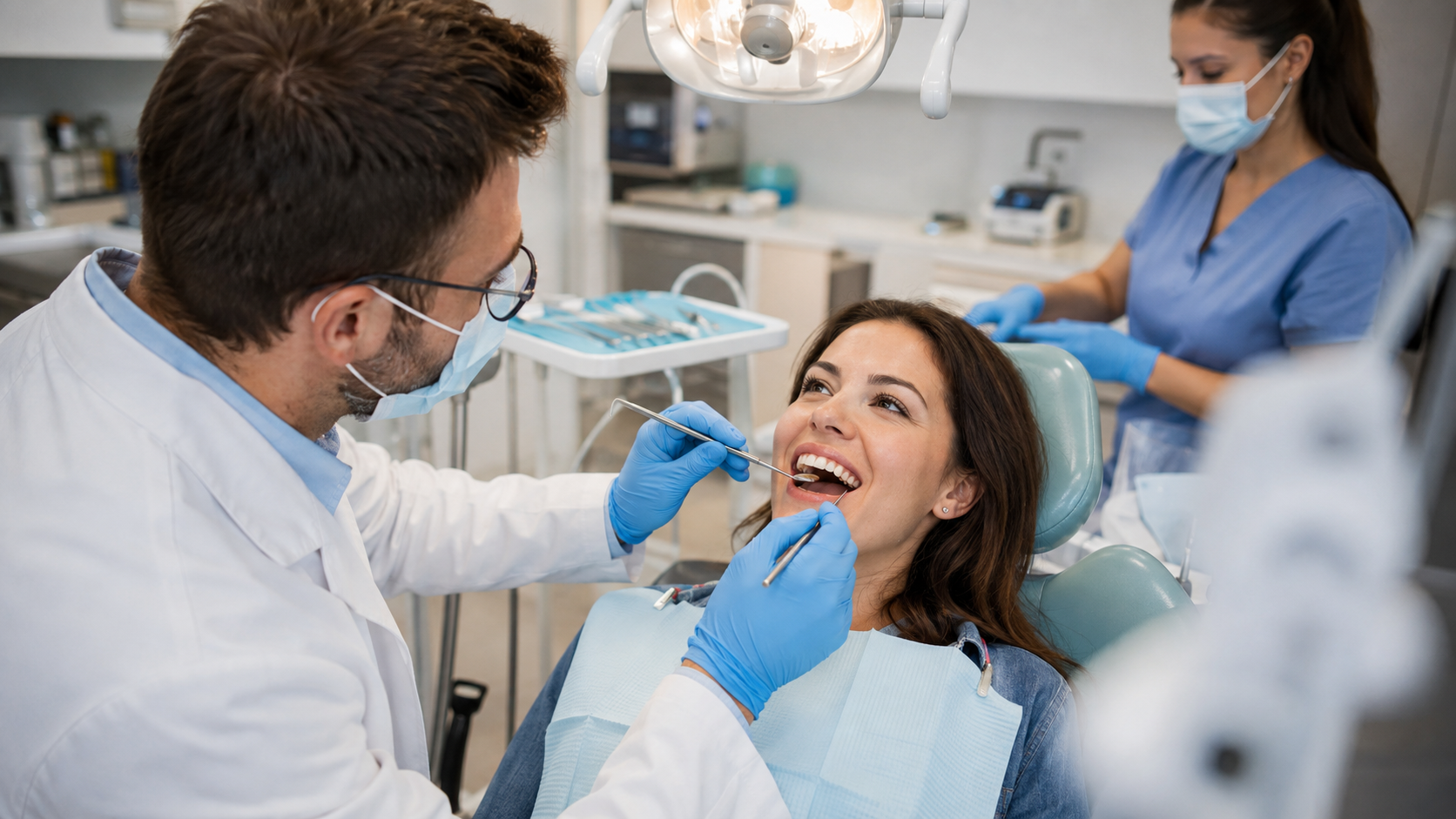
Treatment begins with an evaluation of the teeth, gums, jaw relationships, and bite. Digital scans, photographs, and dental X-rays may be used when clinically appropriate. This information helps the provider evaluate the starting position of the teeth and develop a proposed treatment plan.
Once the plan is approved, a series of aligners is produced. The patient wears each set according to the provider’s instructions before progressing to the next one. The sequence applies controlled pressure to guide selected teeth toward their planned positions.
Some patients need small, tooth-colored attachments placed on certain teeth. These attachments give the aligners extra grip for specific movements. Other cases may involve enamel contouring between selected teeth to create space. Neither step is required for everyone, and the provider should explain why it is recommended before proceeding.
Periodic checkups allow the dental team to assess fit and progress. If the teeth do not move as planned, additional scans or refinement aligners may be recommended. Refinement does not necessarily mean treatment has failed; it is a way to adjust the plan based on the teeth’s actual response.
Which Dental Concerns May Be Addressed?
Depending on the individual case, clear aligners may be considered for concerns such as:
- Crowded or overlapping teeth
- Spaces between teeth
- Certain overbite, underbite, or crossbite concerns
- Teeth that have shifted after previous orthodontic treatment
- Mild to moderate alignment problems
Not every concern can be corrected predictably with aligners alone. Significant bite problems, complex rotations, impacted teeth, jaw growth concerns, or extensive restorative needs may require a different approach. In some situations, a provider may recommend traditional braces, a combined treatment plan, or evaluation by an orthodontist.
Who May Be a Good Candidate?
A suitable candidate generally has healthy teeth and gums, a concern that aligners can reasonably address, and the willingness to follow the wear schedule. Because the trays are removable, patient participation is especially important. Aligners cannot guide the teeth while sitting in their case.
Existing oral health concerns may need attention first. Untreated cavities, active gum disease, loose teeth, or persistent dental pain can affect treatment planning. Completing necessary preventive or restorative care before orthodontic movement can help establish a healthier foundation.
Patients with crowns, bridges, implants, or missing teeth may still be considered, but their plans often require additional coordination. Dental implants do not move like natural teeth, for example, so their location must be incorporated into the overall strategy. A comprehensive examination helps the provider account for these details.
Benefits and Everyday Considerations
One of the main reasons patients choose Invisalign is discretion. The clear trays are designed to blend into the smile, which may appeal to adults and teens who feel self-conscious about visible appliances.
Removability is another practical advantage. Patients can usually continue eating their preferred foods because the aligners come out during meals. Brushing and flossing may also feel more familiar than cleaning around fixed brackets and wires.
However, removability comes with responsibility. Patients must remember to put the trays back in, store them safely, and follow their prescribed wear schedule. Frequently leaving aligners out can interfere with progress and may cause the next set to fit poorly.
It is also important to have realistic expectations. Aligners can feel snug, especially after changing to a new set, and speech may sound slightly different while a patient adjusts. The trays also need regular cleaning. A consultation gives patients an opportunity to discuss comfort concerns and understand how the treatment may affect daily routines.
What to Expect at an Invisalign Consultation
An Invisalign consultation should involve more than a quick look at the front teeth. The provider needs to consider the entire mouth, including the bite, gum health, existing restorations, and long-term stability of the proposed result.
During the visit, patients can expect a conversation about their goals. Some want to correct one noticeably crooked tooth, while others are concerned about crowding, spacing, or the way their upper and lower teeth meet. Clear communication helps the provider determine whether expectations align with what treatment can reasonably accomplish.
Useful questions to ask include:
- Is Invisalign appropriate for this specific bite and alignment concern?
- Will attachments or other procedures be needed?
- How often will progress visits be scheduled?
- What happens if an aligner is lost or stops fitting?
- Are refinement aligners and retainers included in the quoted fee?
- What results are realistic for this case?
Patients should feel comfortable asking to see the proposed plan and discussing alternatives. A trustworthy recommendation should explain not only what can be done, but also the limitations and responsibilities involved.
How to Care for Invisalign Aligners
Good aligner care supports oral hygiene and keeps the trays looking clear. Patients should follow the instructions provided by their dental team, as cleaning recommendations can vary by product.
Helpful habits generally include:
- Removing aligners before eating and before drinking anything that could stain or damage them
- Rinsing the trays as directed rather than allowing saliva and debris to dry on them
- Cleaning teeth before reinserting the aligners whenever practical
- Using the recommended cleaning method and avoiding very hot water, which may distort plastic
- Keeping aligners in their protective case when they are not being worn
- Continuing regular dental examinations and professional cleanings
Patients should contact their dental office if a tray cracks, becomes lost, develops a sharp edge, or no longer seats properly. Moving forward to another set without guidance may disrupt the planned sequence.
What Happens After the Last Aligner?
Completing the final aligner does not end the responsibility of maintaining the new tooth positions. Teeth can shift after orthodontic treatment, so a retainer is commonly part of long-term care.
The type of retainer and recommended wear routine depend on the patient’s needs. Retainers also wear out over time and should be checked periodically. Patients who notice tightness, movement, or damage should arrange an evaluation rather than forcing an appliance that no longer fits correctly.
How Much Does Invisalign Cost in Riverview?
There is no single fee that applies to every Invisalign case. Cost can vary based on the complexity of the tooth movement, the scope of treatment, the number of aligners, the need for refinements, and what is included in the provider’s fee.
Dental insurance may provide an orthodontic benefit, but coverage differs by plan. Patients may also be able to use eligible health savings or flexible spending funds. Before starting, it is helpful to request a written estimate that explains whether records, progress visits, refinements, retainers, and replacement trays are included.
The least expensive quote is not always the most complete. Patients should compare the proposed treatment goals, clinical oversight, included services, and follow-up care—not simply the initial price.
Frequently Asked Questions About Invisalign
Is Invisalign painful?
Aligners may create pressure or temporary tenderness as the teeth respond to a new set. Experiences vary. Severe pain, swelling, injury, or an aligner that does not fit should be reported to the treating provider promptly.
Can a patient eat while wearing aligners?
Aligners are generally removed for meals. Patients should follow their provider’s instructions about beverages and clean their teeth and trays appropriately before reinsertion.
Will Invisalign affect speech?
Some patients notice a temporary change in speech when they begin wearing aligners. Practicing normal conversation or reading aloud may help with adjustment. A persistent problem should be discussed with the dental team.
Can Invisalign close every gap?
No. Whether a space can be closed depends on its size, cause, tooth proportions, bite, and surrounding oral structures. Some spaces may require restorative or other dental care in addition to orthodontic treatment.
What if someone previously wore braces?
Clear aligners may be an option when teeth have shifted after previous orthodontic care. The provider will need to evaluate the current bite and determine why the movement occurred. Retainer use remains important after retreatment.
Are online or mail-order aligners the same as dentist-supervised Invisalign?
Treatment models differ. Dentist-supervised care includes an in-person oral health assessment and ongoing clinical monitoring. These steps can identify cavities, gum problems, bite concerns, and restorations that may influence safe planning.
Planning a Clearer Path to a Straighter Smile
Invisalign can provide a discreet and flexible approach to orthodontic care for appropriately selected patients. The best experience begins with a complete evaluation, realistic expectations, consistent aligner wear, and a plan for retention after treatment.
Patients considering Invisalign in Riverview, FL can contact New Image General & Cosmetic Dentistry to ask questions or schedule a personalized consultation. The practice is located at 11278 Sullivan St, Riverview, FL 33578. A one-on-one visit can help determine whether clear aligners—or another option—best fits the patient’s oral health, lifestyle, and smile goals.