
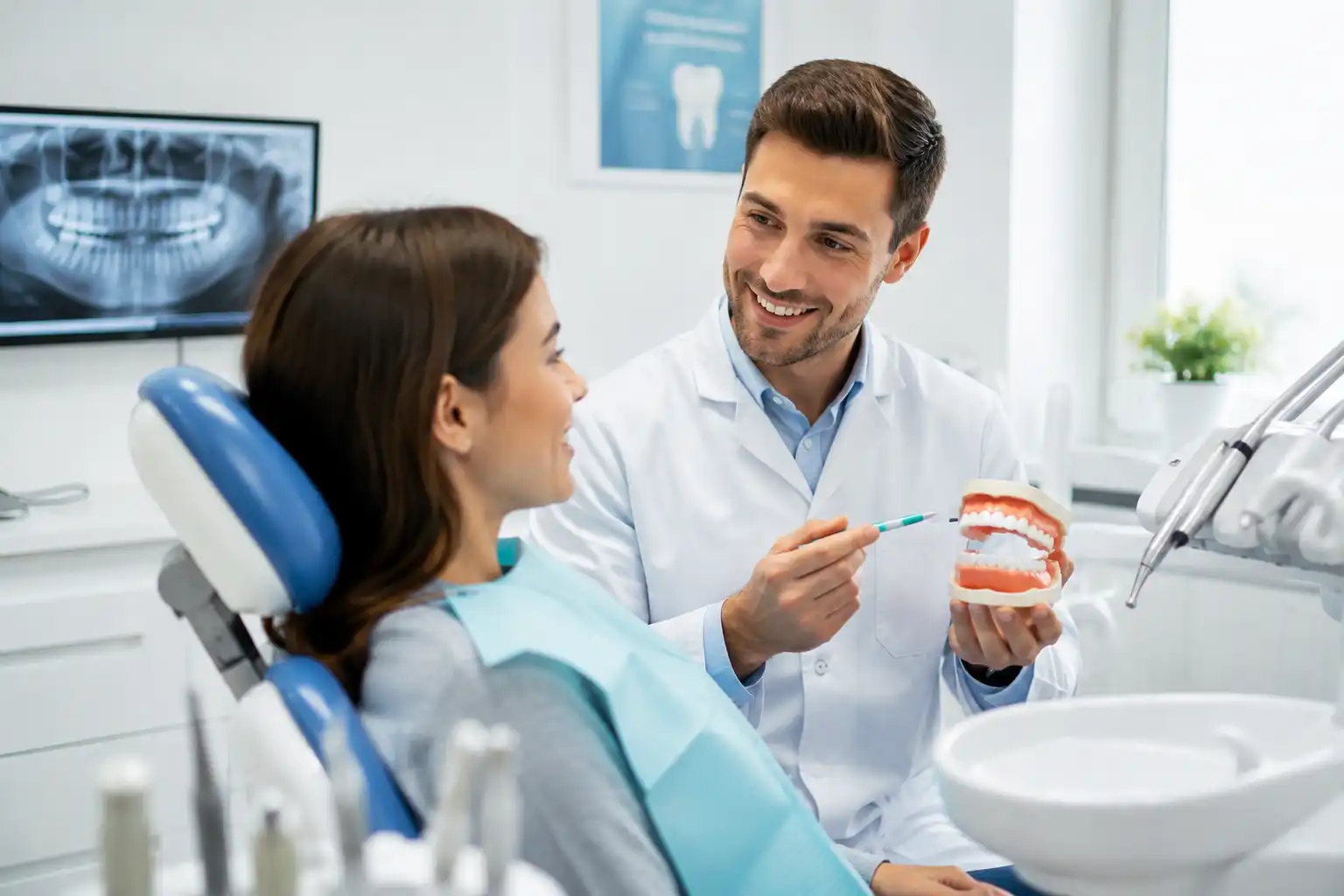
You’ll find clear options in Riverview that make quality dental implants achievable without overspending. Affordable implant choices combine modern techniques, flexible financing, and experienced local dentists to restore function and confidence while keeping costs manageable.
They will explain how implants work, why replacing missing teeth matters, and which budget-friendly paths suit your situation. Expect straightforward comparisons of costs, step-by-step expectations, and tips for choosing a trusted Riverview practice so you can move forward with confidence.
A friendly local dentist will guide you through evaluation, treatment planning, and aftercare with comfort and clarity. Consider this article a practical roadmap to understand pricing, payment options, and next steps toward a durable, natural-feeling smile.
Understanding Dental Implants
Dental implants replace missing teeth with a permanent solution that preserves jawbone strength and restores natural function. They combine a titanium post, an abutment, and a prosthetic tooth to look and act like a real tooth.
What Are Dental Implants?
Dental implants are medical-grade titanium posts surgically placed into the jawbone to serve as artificial tooth roots.
A small connector called an abutment attaches to the implant, and a crown, bridge, or denture fits on top to recreate the visible tooth.
Key components:
- Implant (post): Titanium or titanium alloy, chosen for biocompatibility and bone integration.
- Abutment: Connects the implant to the prosthetic tooth and positions the restoration.
- Restoration: Porcelain or zirconia crowns and bridges, or implant-retained dentures, matched to adjacent teeth.
Implants differ from bridges and dentures because they replace the root, not just the crown.
That root replacement prevents the bone loss that follows tooth extraction and provides chewing stability similar to natural teeth.
How Dental Implants Work
The implant integrates with bone through a process called osseointegration, where bone cells grow around the titanium surface.
This typically takes 3–6 months depending on bone quality and location in the mouth.
Typical treatment stages:
- Assessment and planning: CBCT scans and models determine bone volume and optimal implant position.
- Surgery: The implant is placed under local anesthesia; some patients qualify for sedation.
- Healing: Osseointegration period with temporary restorations as needed.
- Abutment and restoration: The abutment is attached and the final crown, bridge, or denture is fitted.
Success depends on surgical technique, implant design, patient health, and oral hygiene.
Modern implant surfaces and guided-surgery protocols improve predictability and reduce recovery time.
Who Is a Good Candidate?
Good candidates have one or more missing teeth, sufficient jawbone volume, and healthy gums.
Patients with controlled chronic conditions (diabetes, hypertension) often qualify after medical clearance.
Factors to evaluate:
- Bone density/volume: Low bone may require grafting or sinus lift before implant placement.
- Gum health: Active periodontal disease must be treated prior to implant surgery.
- Lifestyle: Smoking and uncontrolled diabetes increase complication risks and affect healing.
- Oral hygiene commitment: Daily care and regular dental visits maintain long-term implant success.
Older age alone is not a barrier; many seniors receive implants successfully.
A consultation with imaging and a medical history review identifies whether implants are appropriate and which treatment plan fits the patient’s needs.
The Importance of Tooth Replacement
Missing teeth affect chewing, speech, facial support, and confidence. Replacing teeth restores bite function, preserves jawbone, and reduces the risk of further dental problems.
Impacts on Everyday Life
A single missing molar changes chewing patterns and increases wear on neighboring teeth. Patients often report avoiding crunchy or tough foods, which can reduce nutritional variety and enjoyment of meals.
Speech can change when front teeth are lost. Sounds like “s,” “f,” and “th” may become distorted, making conversation less clear and sometimes prompting social withdrawal.
Appearance and facial support suffer over time. Without tooth roots stimulating the jawbone, the face can look sunken and older; well-placed implants restore natural contours and a more confident smile.
Dental implants, dentures, and bridges each affect daily life differently. Implants act like natural teeth, requiring the same brushing and flossing routines and offering the closest match in function and stability.
Preventing Further Dental Issues
When a tooth remains missing, adjacent teeth can drift into the gap. This movement creates misalignment that complicates chewing, increases fracture risk, and often necessitates orthodontic or restorative treatment later.
Bone resorption accelerates after tooth loss. Implants preserve bone by transferring chewing forces to the jaw, while bridges and dentures do not prevent gradual bone loss at the extraction site.
Gum disease and decay risk can rise near gaps. Food traps and uneven pressure points make hygiene harder; replacing teeth reduces these problem areas and simplifies daily cleaning.
Timely replacement minimizes long-term cost and complexity. Early implant placement or other restorative choices can avoid additional procedures like bone grafts, orthodontics, or extensive crown work in the future.
Budget-Friendly Options for Dental Implants
Patients often worry about implant costs, but practical choices can lower expenses without sacrificing quality. The following options explain specific strategies, payment methods, and local resources that make implants more affordable in Riverview, FL.
Cost-Effective Treatment Plans
Dentists can tailor implant plans to balance cost and longevity by selecting appropriate materials and reducing procedures when safe. For example, a single Ti-6Al-4V titanium implant with a prefabricated abutment and a porcelain-fused-to-metal crown often costs less than custom zirconia components while still providing reliable function for most patients.
Clinics may recommend staged treatment to spread expenses: extract the failing tooth, allow healing, then place the implant months later. This avoids simultaneous bone grafting in many cases and can eliminate the need for sinus lifts when posterior bone height is adequate.
Another approach uses implant-retained overdentures on two implants instead of four fixed implants. Overdentures restore chewing and appearance at a lower implant count and typically reduce surgical time and laboratory fees. Patients should get written treatment plans with line-item pricing for implant fixture, abutment, crown, grafts, and lab fees to compare options clearly.
Flexible Financing and Payment Solutions
Many Riverview practices partner with third-party lenders that offer deferred interest or low fixed monthly payments. Typical plans range from 6 to 60 months; for example, a $6,000 case might be split into 12 monthly payments around $525 with 0% interest promotions or into 48 months at low APRs of 8–12%.
In-house payment plans let patients pay directly to the clinic without credit checks. Clinics often require a 20–30% down payment and then set equal monthly installments. This keeps costs local and avoids external loan fees.
Health care credit cards like CareCredit are commonly accepted and allow immediate treatment with borrower-selected term lengths. Patients should calculate the total repayment amount and watch promotional-expiration dates to avoid retroactive interest. Clinics can provide amortization examples so patients understand monthly obligations before committing.
Community Programs and Discounts
Local dental schools, community clinics, and nonprofit programs can reduce implant expenses through supervised student care or subsidized services. Tampa Bay area dental schools may offer implant-related procedures at reduced rates when faculty oversee student clinicians, typically lowering fees by 30–60%.
Veterans and seniors should ask about targeted discounts. Some Riverview practices provide 10–20% discounts for military veterans or offer senior pricing on diagnostics and initial consultations. Proof of eligibility is usually required.
Look for seasonal promotions and bundled packages that combine consultation, 3D imaging, and implant placement at a set price. Clinics sometimes run “implant day” discounts or reduced-fee referrals during outreach events. Always confirm which steps are included, such as whether the crown and follow-up visits are part of the package.
What Influences the Cost of Dental Implants?
Several concrete factors determine implant price: the implant material, how many and where implants are placed, and whether preparatory procedures are required. These elements affect both the upfront fees and the timeline for treatment.
Type of Implant Materials
Implant posts most commonly use titanium or titanium alloy because of proven strength and bone integration. Titanium implants typically cost less than premium alternatives and have decades of clinical success.
Zirconia (ceramic) implants appeal to patients seeking metal-free restorations or superior aesthetics in the front teeth. Zirconia implants often carry a higher material cost and may require specialized lab work; clinics may charge more for the restorative crown when zirconia is chosen.
Abutments and crowns add further variability. Stock titanium abutments are less expensive than custom-milled abutments. Crown materials (porcelain-fused-to-metal, full ceramic, or zirconia) change cost and longevity. Ask the provider for an itemized quote showing post, abutment, crown, and lab fees.
Number and Location of Implants
Each additional implant increases surgical time, implant hardware cost, and restorative work. Single-tooth implants are priced per unit, while multi-unit solutions (bridges or full-arch implants) often lower the per-tooth cost but raise the total investment.
Location matters: implants in the upper back (posterior maxilla) may require sinus elevation or shorter implants, which increases complexity and cost. Front teeth (anterior region) demand higher aesthetic work—custom abutments and layered ceramic crowns—so providers typically charge more for those restorations.
Clinics sometimes bundle pricing for full-arch protocols like “All-on-4,” which uses fewer implants to support a full prosthesis. Bundles can offer cost predictability but compare included services (temporary prosthesis, final prosthesis, follow-up visits) before choosing.
Pre-Treatment and Additional Procedures
Bone grafting, sinus lifts, and tooth extractions add significant cost and extend treatment timelines. Bone grafts vary by source: autograft (patient’s bone) is surgically more involved, while allograft/xenograft materials are less invasive but still add material and surgical fees.
Advanced imaging and planning also affect price. A cone-beam CT scan provides a 3D view for precise implant placement; many practices include it, but some bill separately. Guided surgery using a custom surgical guide increases accuracy and cost, yet can reduce chair time and complications.
Medical conditions and ongoing medications may require consultation with specialists or modified protocols, sometimes increasing preoperative visits and tests. Request a full treatment plan that lists expected extra procedures and their costs before committing.
Choosing a Trusted Dentist in Riverview
Look for a dentist who blends clinical skill with clear communication, patient-centered care, and modern technology. Practical choices—credentials, patient comfort measures, and diagnostic tools—determine treatment success and cost-effectiveness.
Qualities of an Experienced Implant Dentist
An experienced implant dentist in Riverview should have documented implant training such as residency in oral surgery, a prosthodontics fellowship, or recognized implant certifications (e.g., from the American Academy of Implant Dentistry). Ask about the number of implant cases performed annually and request before-and-after photos for similar cases.
Look for dentists who collaborate with specialists—oral surgeons, periodontists, and lab technicians—for complex reconstructions. Verify that the practice uses an individualized treatment plan with written timelines and cost estimates. Check online reviews and state dental board records for disciplinary history or malpractice claims.
Key questions to ask:
- How many implants has the dentist placed in the past year?
- What specific implant systems do they use and why?
- Will a prosthodontist or lab technician be involved in my restoration?
Patient Comfort and Care Approach
A trusted Riverview dentist prioritizes pain control and anxiety management. Typical options include local anesthesia, conscious sedation (oral or nitrous oxide), and clear pre- and post-op instructions to reduce surprises and complications.
They should perform a thorough medical and dental history review, including medications that affect healing (e.g., bisphosphonates or anticoagulants). Expect a straightforward explanation of risks, benefits, and alternatives, plus a recovery plan detailing pain control, diet, and follow-up visits.
Look for visible signs of patient-centered care:
- Private consultation spaces and clear financial options
- Staff trained in compassionate communication
- Written aftercare and emergency contact procedures
Technology and Modern Methods
Modern implant practices in Riverview use 3D cone-beam CT scans for precise bone mapping and guided implant placement to reduce surgical time and improve accuracy. Digital impressions and CAD/CAM restorations speed up delivery and enhance prosthetic fit.
Ask whether the clinic offers same-day provisional crowns, platelet-rich fibrin (PRF) to support healing, or mini-implant options when bone volume is limited. Confirm that sterilization practices meet CDC guidelines and that implant brands have proven longevity with published research.
Comparison checklist:
- Imaging: 3D CBCT vs. standard X-ray
- Restoration workflow: digital impressions vs. traditional molds
- Healing support: PRF or grafting options
- Turnaround: same-day provisionals vs. multiple visits
If questions remain, suggest scheduling a consultation to review records and get personalized estimates and timelines.
Step-by-Step Dental Implant Process
This section outlines the main phases patients usually experience: clinical evaluation and imaging, surgical implant placement with healing, and the final crown or bridge plus ongoing care. Each phase highlights practical steps, typical timelines, and what patients can expect during visits and recovery.
Initial Assessment and Preparation
The dental team performs a thorough medical and dental history review, noting medications, systemic conditions (like diabetes), and smoking habits that affect healing. A clinical exam checks gum health, bite, and adjacent teeth while digital X-rays or a CBCT scan map bone volume and nerve locations for precise implant planning.
Treatment planning includes selecting implant size, location, and whether bone grafting or sinus lift is required. The practice reviews anesthesia options — local, oral sedation, or IV sedation — and provides pre-op instructions such as fasting, medication adjustments, and arranging a ride home if sedated. Financial options and an itemized estimate are discussed so the patient knows costs and scheduling before surgery.
Implant Placement and Healing
On surgery day, the clinician uses sterile technique and local anesthesia or chosen sedation to place a titanium implant into the jawbone. The implant either receives a healing abutment or a cover screw depending on whether a one-stage or two-stage approach is selected. Typical placement takes 30–90 minutes per implant, depending on complexity and any simultaneous bone grafting.
Osseointegration follows, where bone bonds to the implant over 3–6 months for lower jaws and often 4–6 months for upper jaws when bone quality differs. The practice schedules follow-up visits at 1 week and monthly as needed to remove sutures, check healing, and manage discomfort with NSAIDs or prescribed meds. If temporary teeth are needed, a provisional restoration or removable flipper can be provided to maintain appearance and function during healing.
Final Restoration and Post-Treatment Care
After confirming stable osseointegration, the dentist exposes the implant (if covered), places a final abutment, and takes digital or physical impressions for the definitive crown, bridge, or overdenture. Lab fabrication typically requires 1–3 weeks; the clinic verifies fit, bite, and shade during try-in appointments to ensure comfort and natural appearance.
Patients receive instructions for cleaning around implants using interdental brushes, floss, and antiseptic rinses to prevent peri-implantitis. Routine recalls every 3–6 months are recommended for professional cleaning and exam. If complications arise — mobility, persistent pain, or swelling — the patient should contact the office promptly so the team can assess and treat early.
Caring for Your New Smile
Proper daily habits and timely checkups protect implants and surrounding gums, maintain bite function, and help implants last for decades. Consistent cleaning, avoiding damaging habits, and regular professional care keep the area healthy and comfortable.
Daily Maintenance Tips
They should brush twice daily with a soft-bristled toothbrush and low-abrasive fluoride toothpaste, angling bristles at the gumline to remove plaque without abrading the implant crown. Electric toothbrushes with pressure sensors work well to ensure gentle, effective strokes.
Flossing once daily matters just as much as brushing. Use implant-specific floss, a floss threader, or water flosser to clean under and around the crown and between teeth where food and bacteria collect. Demonstrations at the dental office can show the correct technique.
Avoid tobacco and reduce sugary snacks and sticky candies that cling to the implant crown. Do not use teeth as tools to open packages or bite hard objects like ice, which can chip crowns or stress the implant-abutment connection.
They should consider adjuncts such as an antimicrobial mouth rinse (chlorhexidine short-term if prescribed) or a fluoride rinse nightly if prone to decay on neighboring teeth. Replace toothbrushes every 3 months or after illness.
Following Up With Your Dentist
Schedule follow-up visits as the dentist recommends—typically at one week, three months, six months, and every six to twelve months thereafter depending on oral health. These visits let the dentist check implant stability, soft-tissue health, and the fit of the crown.
During checkups, the clinician will assess gum pocket depth, look for signs of peri-implant inflammation, and take periodic X-rays to confirm bone levels around the implant. Early detection of problems like bone loss or loose components allows simpler corrective steps.
They should report symptoms promptly: any persistent pain, looseness, swelling, pus, or new mobility in adjacent teeth. Even minor changes in bite or sensitivity can indicate a need for adjustment.
Keep a written record of implant brand, abutment type, and date of placement. Bringing that information to appointments speeds care if repairs or replacement parts are ever needed.
How to Get Started on Your Dental Implant Journey
The first step is a consultation with a qualified implant dentist in Riverview, FL. They will review medical history, examine the mouth, and take imaging like X-rays or a CBCT scan to plan treatment.
Patients can prepare by listing medications, previous dental work, and questions. This helps the dentist evaluate bone health, discuss implant options, and set realistic expectations for time and cost.
A clear treatment plan will outline stages: extraction (if needed), bone grafting or sinus lift (when required), implant placement, and crown attachment. The dentist will explain timelines, potential risks, and aftercare so patients know what to expect at each visit.
Cost and financing are discussed early to avoid surprises. Many offices offer payment plans, third-party financing, or bundled pricing for implant restorations; comparing a few local providers helps identify the best fit.
Comfort and anxiety management are part of the plan. Clinics often provide local anesthesia, sedation options, and post-op pain control to make the procedure as stress-free as possible.
To move forward, schedule an initial exam and imaging. Bringing insurance information and any dental records speeds up the process and helps the team create a personalized plan.
If questions remain, patients should ask about success rates, follow-up care, and how implants will affect daily life. Contacting the dental office for a consultation is the next practical step toward restoring function and confidence.
Frequently Asked Questions
This section answers specific cost, treatment, and candidacy questions for dental implants in Riverview, FL. It covers price ranges, payment options, implant types, lower-cost alternatives, the treatment timeline, and health-related eligibility.
How much do dental implants typically cost in this area, and what affects the final price?
Single-tooth implants in Riverview commonly range from $2,000 to $4,500 per tooth, including the implant post, abutment, and crown. Complex cases requiring bone grafts, sinus lifts, or extractions can add $300–$2,000 or more.
Implant-supported dentures typically cost $10,000–$25,000 per arch depending on the number of implants and prosthesis type. Lab materials (zirconia vs. acrylic), surgeon fees, and local lab costs influence the final price.
Insurance coverage and whether a practice includes imaging (CBCT), anesthesia, and follow-up in the quoted price will change out-of-pocket costs. Ask for an itemized estimate and compare what’s included before committing.
What financing options or monthly payment plans are available if I’m on a tight budget?
Many dental offices in Riverview partner with third-party medical financing companies such as CareCredit, LendingClub, or Sunbit, offering 6–60 month plans. Short-term promotional plans can be interest-free; longer plans usually carry interest.
Some practices offer in-house payment plans that spread costs over several months with minimal fees. Patients should compare APRs, monthly payments, and any prepayment penalties before selecting a plan.
What’s the difference between a single implant, an implant-supported denture, and a full-arch “all-on” option?
A single implant replaces one missing tooth with an implant post, abutment, and crown for a near-natural look and function. It suits isolated tooth loss.
An implant-supported denture uses 2–6 implants to stabilize a removable or fixed denture; it improves chewing and removes denture slippage. It’s more affordable than full-arch fixed options while offering better retention than traditional dentures.
A full-arch “all-on” uses 4–6 implants to support a fixed bridge that replaces all teeth on one arch. It provides the greatest stability and closest function to natural teeth but costs more upfront and may require more extensive preparatory work.
Are there lower-cost alternatives to implants that still look natural and feel comfortable?
Removable partials and full dentures remain the least expensive options, often costing $500–$3,000 locally depending on materials. Modern acrylic dentures and well-made partials can look natural when fitted by an experienced prosthodontist.
Resin-bonded bridges or conventional fixed bridges offer a middle-ground cost and good esthetics for limited spaces, though they require alteration of adjacent teeth. Patients should weigh longevity, maintenance, and comfort alongside initial price.
What does the implant process look like from consultation to final teeth, and how long does it usually take?
Initial consultation includes exam, 3D imaging, and a customized treatment plan; this typically takes one visit. If bone grafting or extractions are needed, healing can add 3–6 months.
Implant placement is a surgical visit; osseointegration usually requires 3–6 months before the final abutment and crown or prosthesis are attached. Some candidates qualify for immediate-loading options where temporary teeth are placed the same day.
Can I still be a candidate for implants if I have an autoimmune condition or other ongoing health concerns?
Many patients with controlled autoimmune conditions, diabetes, or osteoporosis can receive implants, but risk assessment is essential. Physicians and the dental surgeon should coordinate care to optimize timing and medication management.
Active, uncontrolled systemic disease, heavy smoking, or certain immunosuppressive therapies may raise complication risks and require modification of the plan. A thorough medical history, blood work when indicated, and a multidisciplinary approach help determine safe candidacy.
If they want a personalized estimate or a medical-risk review, suggest scheduling a consultation with a local implant dentist to discuss next steps.