
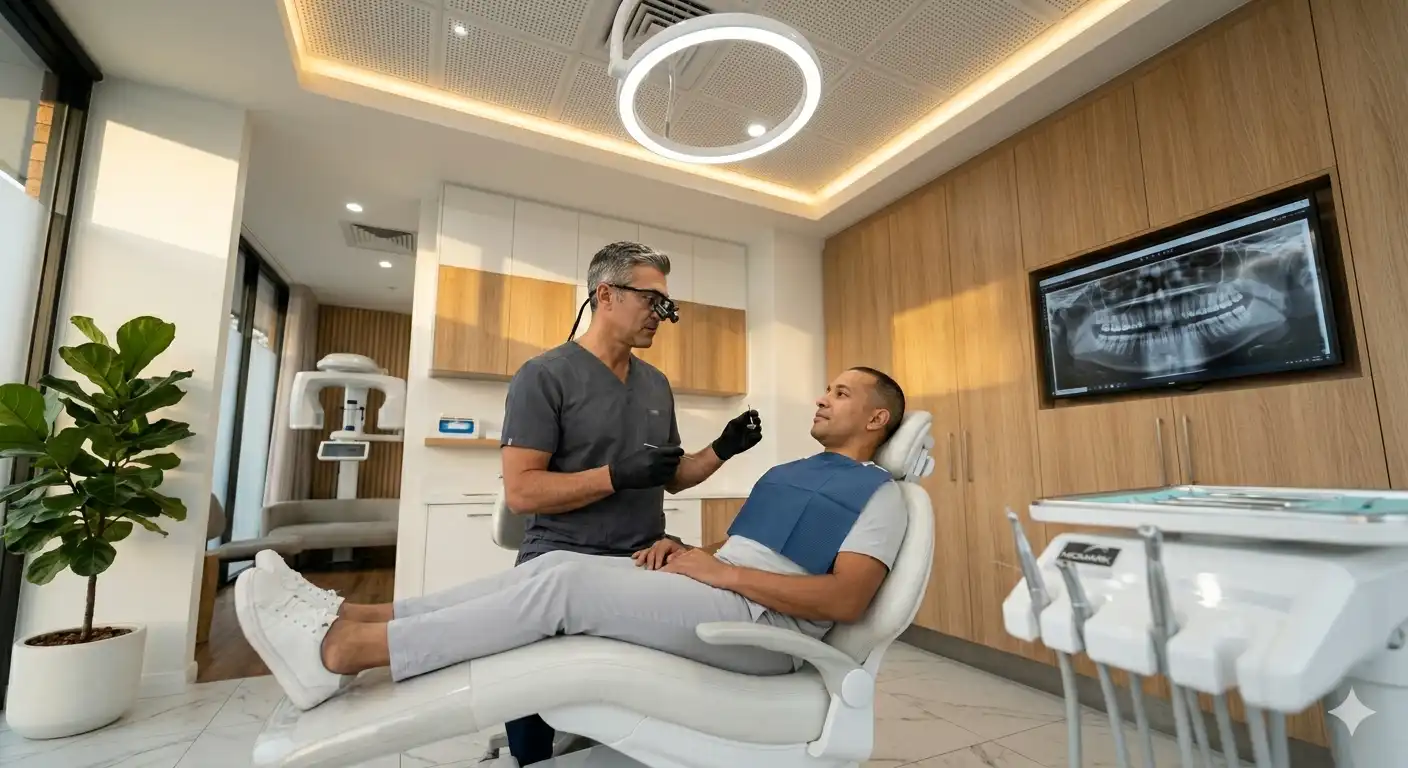
Dental implants in Riverview, FL, offer a reliable solution for anyone dealing with missing teeth. They function like natural teeth by providing a sturdy foundation that supports crowns or bridges, making chewing and smiling comfortable and confident again. This modern option is designed to blend seamlessly with existing teeth, helping maintain oral health and facial structure.
Many people worry about the process or pain involved, but local dentists in Riverview prioritize patient comfort and use advanced techniques to make treatments as smooth as possible. Whether someone needs to replace one tooth or several, implants can provide a long-term investment in their smile and well-being.
Understanding how dental implants work and what to expect can ease concerns and guide patients toward the best care for their needs. Those curious about improving their smile or oral function in Riverview should consider speaking with a dental professional to explore options tailored just for them.
Understanding Dental Implants
Dental implants offer a reliable way to replace missing teeth by mimicking natural tooth structure. They combine durable materials with modern techniques to restore both function and appearance. Knowing what implants are, how they work, and why people choose them helps make informed decisions about dental care.
What Are Dental Implants?
Dental implants are titanium posts surgically placed into the jawbone. They act as artificial tooth roots, providing a stable foundation for crowns, bridges, or dentures. The titanium used is biocompatible, meaning it fuses naturally with bone through a process called osseointegration.
This fusion makes implants strong and long-lasting, often lasting decades with proper care. Unlike dentures, implants do not slip or require adhesives, which adds to patient comfort. They are custom-made to match the size and color of existing teeth, creating a natural appearance.
How Dental Implants Work
Once an implant is placed, the jawbone gradually grows around it, securing it firmly in place. This process typically takes several months and is crucial for stability. After healing, an abutment is attached to the implant, connecting the implant to the crown or prosthetic tooth.
The final restoration looks and functions like a natural tooth, allowing normal chewing and speaking. Implants help maintain jawbone density, preventing bone loss that often happens with missing teeth. Patients usually experience minimal discomfort during recovery, thanks to modern anesthesia and techniques.
Common Reasons for Choosing Implants
People choose dental implants for several practical reasons. Missing teeth can affect speaking, eating, and self-confidence. Implants restore these functions without damaging nearby teeth, unlike traditional bridges.
They are also favored for their durability and convenience. Implants do not require removal for cleaning, unlike dentures, and they reduce bone deterioration in the jaw. Many patients find that implants improve overall oral health and quality of life, especially when other tooth replacement options fall short.
Benefits of Modern Tooth Replacement
Modern tooth replacement options offer practical improvements that go beyond just filling gaps in your smile. They focus on restoring function, appearance, and comfort to support everyday living without compromise.
Restoring a Natural Smile
Dental implants closely mimic natural teeth in both look and feel. Their crowns are custom-made to blend with existing teeth, matching color and shape. This creates a seamless appearance that helps patients feel confident in social and professional settings.
Unlike dentures, implants do not slip or shift while talking or smiling. This stability preserves facial structure, preventing the sunken look often caused by missing teeth. A well-restored smile plays a key role in boosting self-esteem and improving overall wellbeing.
Improving Chewing and Speech
Dental implants anchor firmly into the jawbone, providing strong support that allows for normal chewing ability. Patients can enjoy a wide range of foods without worry about slippage or pain. This improves nutrition and quality of life.
Speech also benefits because the implants prevent gaps that cause lisps or unclear pronunciations. Patients regain clear, natural speech sounds swiftly. This is especially important for professional interactions and everyday conversations.
Long-Term Comfort and Stability
Unlike traditional dentures, implants offer consistent comfort by integrating with the jawbone. This prevents movement and irritation, reducing common sore spots and gum discomfort. The titanium posts encourage bone growth, preserving jaw health over time.
Implants require regular oral hygiene similar to natural teeth and can last many years with proper care. This long-term solution cuts down on repeated dental visits and adjustments, making it a reliable choice for tooth replacement.
Step-by-Step Guide to the Implant Process
Getting a dental implant involves several carefully planned steps, designed to ensure comfort and successful healing. Each phase builds on the last, combining precise dental work with time for recovery and adjustment.
Initial Consultation and Assessment
The process starts with a thorough consultation. The dentist reviews medical history and performs dental exams, including X-rays or 3D scans, to assess bone density and oral health. This helps determine if implants are the right choice.
During this visit, patients discuss their expectations and concerns. The dentist may recommend preparatory treatments like bone grafts if necessary. Clear communication happens here, setting the stage for a personalized treatment plan focused on comfort and success.
Implant Placement Procedure
The implant placement is a minor surgery done under local anesthesia. The dentist inserts a titanium post into the jawbone, serving as the root for the new tooth. This post will fuse naturally with the bone over time, a process called osseointegration.
The surgery typically takes about one to two hours per implant. Patients experience minimal discomfort, often managed with over-the-counter pain relief. Post-operative care instructions are given to support healing and prevent infection.
Healing and Recovery Timeline
Healing usually takes three to six months. During this period, the implant integrates fully with the jawbone, creating a stable foundation. Some swelling or mild pain is normal, and patients should follow all care guidelines carefully.
Regular check-ups monitor progress. Temporary restorations may be used for function and appearance while waiting. Maintaining good oral hygiene is crucial to protect the implant and surrounding tissue from complications.
Attaching the Final Restoration
Once the implant has healed, the final step is placing the crown, bridge, or denture. The dentist takes impressions to create a restoration that matches natural teeth in shape and color.
The restoration is then securely attached to the implant post. This final piece restores chewing function and improves appearance, allowing the patient to speak and smile confidently. Follow-up visits help ensure the implant remains healthy and stable over time.
Who Is an Ideal Candidate?
Not everyone is immediately ready for dental implants. Factors like overall health, the condition of the jawbone, and gum tissue play a big role. Knowing these details helps determine if implants are a suitable option.
General Health Considerations
Good overall health is important for successful dental implant surgery. Conditions like uncontrolled diabetes or immune system disorders can slow healing and increase the risk of infection.
Patients should avoid smoking, as it reduces blood flow to the gums and jawbone, making healing harder. Age alone isn’t a limiting factor, but managing chronic illnesses well improves outcomes.
A dental professional will review medical history and may coordinate with other healthcare providers to ensure the body can handle the implant process safely.
Bone and Gum Health
Strong jawbone and healthy gums are essential for implants to stay stable over time. If there’s significant bone loss or gum disease, the implant might not properly fuse with the bone.
A dentist will check the bone density through X-rays or 3D scans. Gum health must be addressed first since untreated gum disease can lead to implant failure.
They may recommend gum treatments or cleaning before starting the implant procedure to provide a stable foundation.
Alternatives for Patients With Bone Loss
If jawbone volume is low, implants might not be possible without extra steps. Bone grafting is a common solution where bone material is added to rebuild the area.
Other options include sinus lifts for upper jaw problems or using narrower implants designed for less bone mass. Sometimes, different types of dental prosthetics might be better choices.
Discussing all options with a dental expert will help find the right treatment based on individual bone and gum conditions.
What to Expect During Recovery
Recovery after dental implant surgery involves some common experiences like managing discomfort, following care guidelines, and allowing the body to heal properly. Understanding these steps can help patients feel more confident and prepared for the weeks after the procedure.
Managing Discomfort
Mild to moderate pain and swelling are normal after implant surgery. Patients usually experience soreness around the implant site for a few days. Over-the-counter pain relievers such as ibuprofen or acetaminophen often manage this well, but the dentist may prescribe stronger medication if needed.
Cold compresses applied to the outside of the face in 15-minute intervals during the first 24 hours can help reduce swelling. It’s important to avoid strenuous activities and keep the head elevated when resting. Bleeding may occur for the first 24 hours but should gradually decrease.
Tips for Faster Healing
Healing time varies but generally takes a few months to fully integrate the implant with the bone. Patients are advised to eat soft foods like yogurt, mashed potatoes, and soups during the initial recovery phase to avoid disturbing the implant area. Avoid hot, spicy, or crunchy foods.
Maintaining good oral hygiene is crucial. Gentle brushing around the implant site and rinsing with a prescribed antimicrobial mouthwash can prevent infection. Smoking and alcohol use should be minimized as they can slow healing and increase the risk of complications.
Follow-Up Care
Dentists schedule follow-up appointments to monitor healing and ensure the implant is integrating well. These visits allow for early detection of any issues such as infection or implant failure. Patients should report persistent pain, swelling, or unusual symptoms immediately.
During follow-ups, adjustments may be made before placing the permanent crown. Regular dental checkups remain important to keep both implants and natural teeth healthy. Consistent care supports the long-term success of dental implants.
Comparing Dental Implants and Other Options
Choosing the right tooth replacement involves considering durability, comfort, and maintenance. Each option has unique benefits and challenges that can affect daily life and oral health.
Dental Bridges vs. Implants
Dental bridges rely on nearby teeth for support, requiring those teeth to be filed down. This can weaken healthy teeth over time. Bridges typically last 5 to 15 years but may need replacement or repair sooner depending on wear.
Implants, on the other hand, are anchored directly into the jawbone, preserving bone health and avoiding damage to adjacent teeth. They tend to last much longer—often 25 years or more—with proper care.
Comparison at a glance:
| Feature | Dental Bridges | Dental Implants |
|---|---|---|
| Support method | Adjacent teeth | Jawbone |
| Impact on nearby teeth | Requires alteration | No impact |
| Durability | 5–15 years | 25+ years |
| Bone preservation | No | Yes |
| Maintenance | Regular cleaning, possible replacement | Routine brushing and check-ups |
Implants Compared to Dentures
Dentures are removable and typically less costly upfront but may feel bulky and require adhesives. They can slip while eating or speaking, which may affect confidence.
Implants offer a fixed solution, feeling more natural and stable. They eliminate the slipping problem and allow users to eat a wider variety of foods comfortably.
Dentures may wear out every 5 to 8 years and need adjustments over time as the jaw changes. Implants provide more consistent fit without frequent adjustments.
Key considerations:
- Dentures: Lower initial cost, easier to place, but less stability.
- Implants: Higher cost, more involved procedure, with better long-term comfort and function.
Patients should discuss lifestyle and budget to find the best fit.
Caring for Your New Smile
Proper care helps dental implants last and keeps the mouth healthy. Regular routines and professional visits play important roles in maintaining the implant’s success and appearance.
Daily Cleaning Tips
Brushing twice a day with a soft-bristled toothbrush is essential to prevent plaque buildup around implants. Using low-abrasive toothpaste protects the surface of the implant and surrounding gums. Flossing once daily with implant-friendly floss or interdental brushes removes debris between teeth and implants.
Avoid hard or sticky foods that might stress the implant area during early healing. Rinsing with an antimicrobial mouthwash can reduce bacteria but should not replace brushing and flossing. Consistent gentle care keeps implants free from infection and supports gum health over time.
Professional Check-Ups
Regular dental visits are crucial to monitor the health of implants and surrounding tissues. A dentist in Riverview, FL, can detect early signs of complications like peri-implantitis. During check-ups, the implant’s stability, gum condition, and bite alignment are carefully evaluated.
Professional cleanings remove tartar that daily brushing cannot reach. X-rays may be taken periodically to check bone levels around the implant. Scheduling these visits every 6 months helps ensure the implant functions well long-term.
Protecting Implants for Longevity
Avoid habits that put unnecessary pressure on implants. Teeth grinding or clenching, often occurring during sleep, can damage the implant. Wearing a nightguard prescribed by a dentist protects the implant and natural teeth from excessive forces.
Smoking can impair healing and increase infection risk; quitting supports implant success. It’s wise to limit alcohol as well, since excess drinking affects oral tissue health. Being mindful of these factors helps the implant serve its purpose for many years.
Financing and Insurance Insights
Understanding the financial aspects of dental implants is key to making confident decisions. Costs vary widely, insurance coverage can be limited, and many clinics offer flexible payment plans to help manage expenses comfortably.
Typical Costs to Expect
Dental implant costs in Riverview, FL, generally range from $3,000 to $5,500 per implant. This includes the implant post, abutment, and crown but may not cover additional procedures like bone grafts or extractions.
Prices depend on factors such as implant type, materials used, and the complexity of the case. Some patients may need multiple implants, which increases total costs. It’s wise to get a detailed treatment plan with a clear cost breakdown before proceeding.
Insurance Considerations
Many dental insurance plans categorize implants as cosmetic, leading to limited or no coverage. However, some policies partially cover certain parts of the procedure, like extractions or crowns.
Patients should contact their insurance provider to confirm coverage specifics before treatment. In some cases, insurers may require pre-authorization or second opinions. Clarifying these details helps avoid unexpected bills after treatment.
Flexible Payment Options
To ease financial strain, many Riverview dental offices offer payment plans tailored to individual budgets. These plans might include low or zero-interest options spread over several months.
CareCredit and similar healthcare credit cards are commonly accepted and can be a convenient way to manage payments. Some clinics also accept discounts for upfront payments or memberships for ongoing dental care benefits. Exploring payment choices early ensures the patient can focus on healing without stress.
Choosing the Right Provider in Riverview
Finding the ideal dental implant provider involves more than just location. The right dentist combines experience, advanced technology, and clear communication to make your implant journey smooth and successful.
Qualities of a Trusted Implant Dentist
A skilled implant dentist in Riverview should have specialized training in implantology and a history of successful procedures. It’s important they stay updated with the latest implant techniques and use high-quality implant materials.
Patient comfort matters. Look for providers who offer sedation options and prioritize gentle care. Reviews and before-and-after photos can help gauge results and patient satisfaction.
Technology plays a key role too. Providers equipped with 3D imaging and digital planning tools ensure precise implant placement, reducing risks and recovery time.
Questions to Ask at Your Consultation
During your visit, ask about the dentist’s experience with cases similar to yours. Understanding their success rate and how often they handle complex situations can build confidence.
Inquire about the implant brands they use, as reputable brands tend to last longer. Clarify the timeline from surgery to final restoration, including healing steps.
Discuss costs and what’s included in the fee, such as follow-ups or potential additional treatments. Finally, ask how they manage pain and aftercare to prepare you for recovery.
A Brighter Future With Lasting Smiles
Dental implants offer more than just a way to replace missing teeth—they provide a foundation for a healthier, more confident smile. Patients in Riverview, FL, often find that implants help restore the natural function of their teeth, making everyday activities like eating and speaking easier.
One of the main benefits of dental implants is their durability. Made from titanium, implants fuse with the jawbone, creating a strong bond that can last many years. This stability helps prevent the bone loss that often occurs after tooth loss, supporting overall oral health.
Patients also appreciate the comfort dental implants provide. Unlike removable dentures, implants feel like natural teeth without slipping or clicking. This comfort, combined with improved chewing efficiency, enhances daily life significantly.
Key benefits of dental implants include:
- Long-lasting support
- Natural look and feel
- Preservation of jawbone structure
- Improved speech and chewing
Modern dental technology in Riverview ensures that implant procedures are efficient and tailored to each patient’s needs. Gentle, personalized care helps reduce anxiety and promotes healing.
If someone is considering dental implants, talking with a local expert can clarify the process and help determine the best approach. They can discuss options, costs, and what to expect during recovery, making it easier to take the next step toward a lasting smile.
Frequently Asked Questions
Many patients want to understand costs, safety, and treatment options when considering dental implants. They also ask about eligibility, timelines, and recovery to feel confident moving forward.
How much do dental implants typically cost in the Riverview area, and what factors affect the price?
In Riverview, dental implants usually range from $3,000 to $6,000 per implant. Prices vary based on the type of implant, bone grafting needs, and whether additional procedures like sinus lifts are required.
Insurance coverage and the experience of the dental specialist can also influence overall costs.
Are low-cost dental implant options safe, and what should I look for to be sure I’m getting quality care?
Low-cost implants may be safe but require careful evaluation. Patients should verify the clinic’s credentials, ask about implant brands, and confirm if the provider uses digital imaging for precise placement.
Choosing a provider with good reviews and transparent treatment plans helps ensure quality care.
What’s the difference between a single implant, implant-supported bridges, and implant-supported dentures?
A single implant replaces one missing tooth with a crown. Implant-supported bridges use two or more implants to hold multiple teeth together. Implant-supported dentures attach full dentures to implants for improved stability and comfort.
Each option depends on how many teeth need replacement and jawbone health.
Am I a good candidate for implants if I’ve had missing teeth for years or have gum disease?
Long-term tooth loss can reduce jawbone density, which may require bone grafts before implants. Active gum disease needs treatment first to avoid implant failure.
A thorough exam including X-rays can determine candidacy and any preparatory care needed.
How long does the implant process usually take from consultation to final crown or denture?
The entire implant process commonly takes 4 to 6 months. This includes initial consultation, implant surgery, healing time for osseointegration, and finally placing the custom crown or denture.
Some practices offer faster options, but healing time is important for success.
What can I expect during recovery, and how do I keep my implant healthy long-term?
Recovery from implant surgery usually involves mild discomfort and swelling for a few days. Patients should avoid hard foods and maintain good oral hygiene.
Long-term care includes regular dental check-ups, daily brushing, flossing around implants, and avoiding tobacco to protect the implant and surrounding gum tissue.