
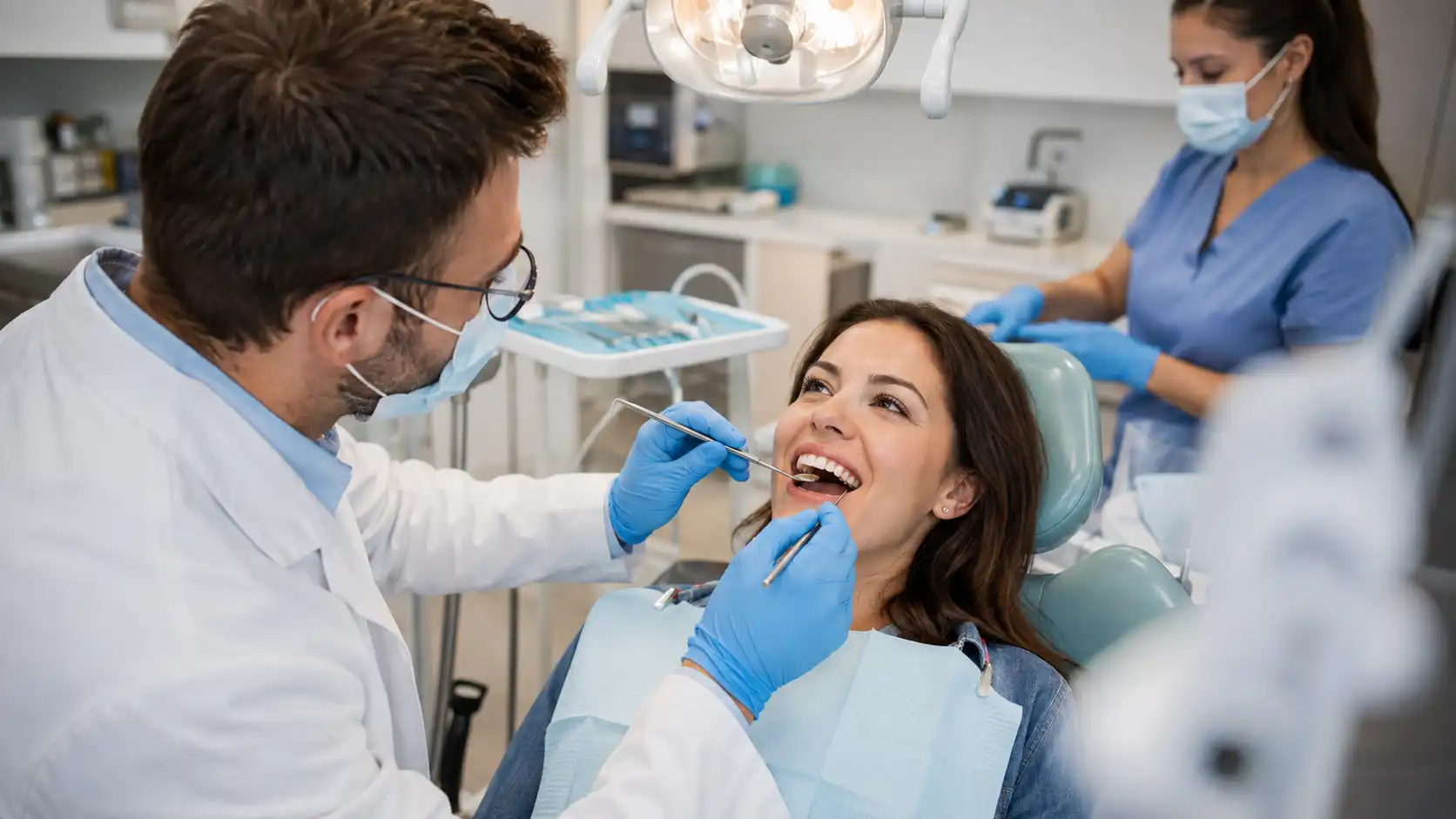
A dental emergency can turn an ordinary day upside down. One moment, everything feels normal. The next, there may be a sharp toothache, a chipped tooth, swelling, bleeding, or a knocked-out tooth that needs immediate attention. In these moments, knowing when to call an emergency dentist in Riverview, FL can make a big difference in comfort, confidence, and the chance of saving a tooth.
Dental emergencies are stressful, but they are also common. Teeth can crack while eating, old fillings can loosen, infections can flare up, and accidents can happen during sports, work, or everyday life. The good news is that modern emergency dental care focuses on relieving pain, protecting oral health, and helping patients understand their next steps clearly.
Important note: This article is for general education only and is not a diagnosis or substitute for professional dental care. Anyone with severe pain, swelling, trauma, fever, trouble breathing, or uncontrolled bleeding should contact a dentist or seek urgent medical care right away.
What Counts as a Dental Emergency?
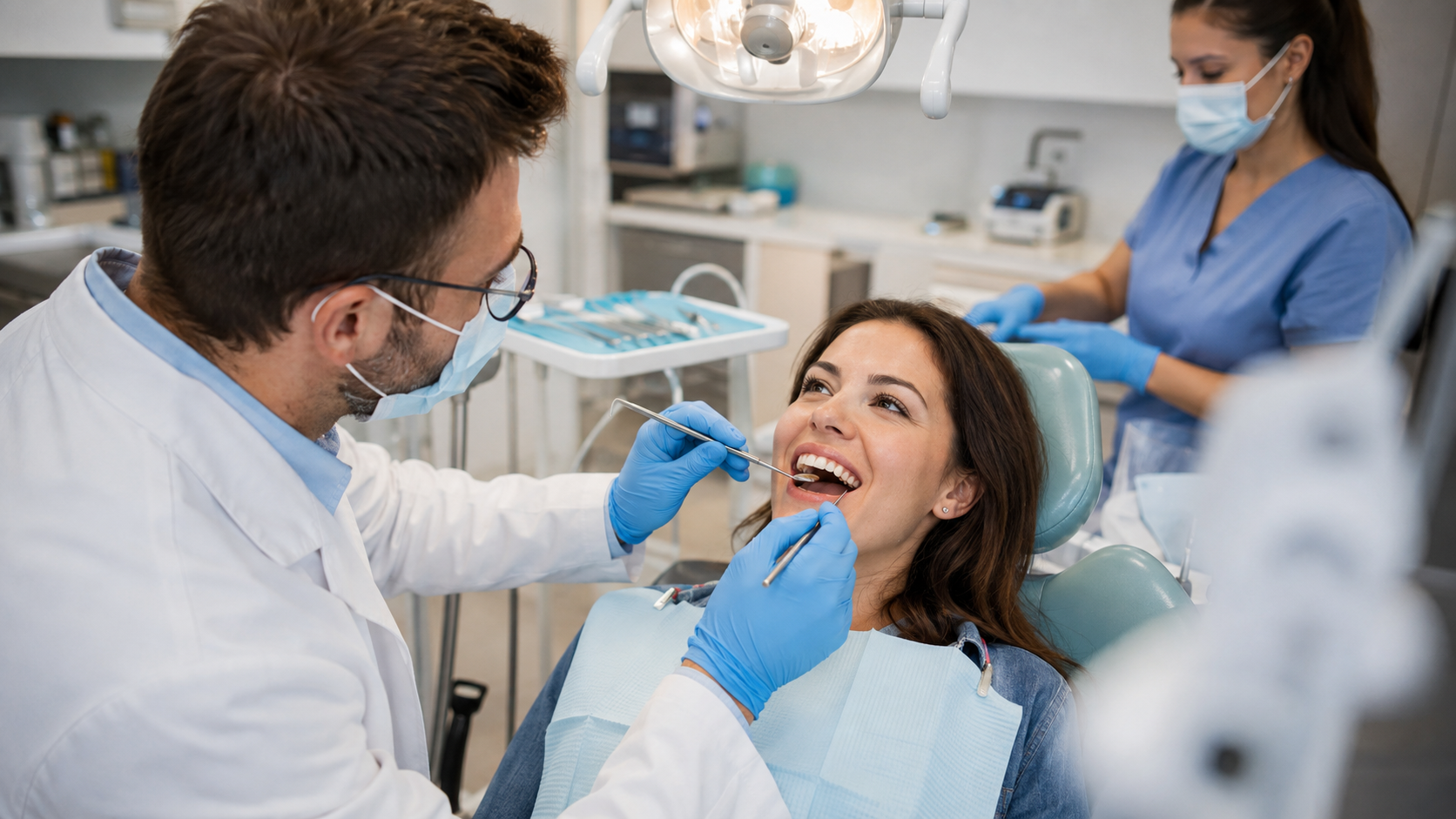
A dental emergency is any oral health problem that needs prompt attention to relieve serious pain, stop bleeding, treat infection, or protect a tooth from further damage. Some emergencies are obvious, such as a tooth being knocked out. Others may be less dramatic but still important, such as swelling around a painful tooth.
Patients should not feel embarrassed about calling a dental office to ask whether a situation is urgent. A caring dental team can often help determine whether the concern should be seen the same day, within a few days, or at a routine visit.
Common Reasons to Call an Emergency Dentist
People often seek emergency dental care for concerns such as:
- Severe or persistent toothache
- Swelling in the gums, jaw, or face
- A cracked, broken, or chipped tooth
- A knocked-out permanent tooth
- A loose or displaced tooth after injury
- Bleeding that does not stop after pressure is applied
- Lost crowns, fillings, bridges, or temporary restorations
- Pain when biting or chewing
- Signs of infection, such as pus, bad taste, fever, or worsening swelling
- Dental trauma from a fall, sports injury, or accident
Not every dental problem requires emergency treatment, but symptoms that worsen quickly or interfere with eating, sleeping, or daily activities should be taken seriously.
When Tooth Pain Should Not Be Ignored
A mild toothache may come and go, especially if it is related to temporary sensitivity. However, intense pain, throbbing, or pain that wakes someone from sleep can be a warning sign that something deeper is happening.
Tooth pain may be linked to decay, a cracked tooth, gum infection, an abscess, grinding, exposed roots, or a failing restoration. Because the cause is not always visible at home, an emergency dentist can examine the area, take dental X-rays when needed, and explain appropriate treatment options.
Patients should call promptly if pain is accompanied by swelling, fever, a pimple-like bump on the gums, difficulty opening the mouth, or a bad taste that does not go away. These symptoms may suggest infection, and dental infections can spread if left untreated.
What to Do Before Seeing an Emergency Dentist
During a dental emergency, a few simple steps can help protect the mouth and reduce discomfort until the appointment. These steps are not a replacement for care, but they may help prevent the situation from getting worse.
For a Knocked-Out Permanent Tooth
If a permanent tooth is knocked out, time matters. The tooth should be handled by the crown, which is the white chewing part, not the root. If it is dirty, it can be gently rinsed with milk or clean water, but it should not be scrubbed.
If possible, the tooth may be placed back into the socket and held gently in place. If that is not possible, it should be kept moist in milk or a tooth preservation product if available. Patients should call an emergency dentist immediately. Baby teeth should not usually be placed back into the socket, so a dentist should be contacted for guidance.
For a Broken, Chipped, or Cracked Tooth
Rinse the mouth with warm water and save any broken pieces if they are available. A cold compress on the outside of the cheek may help with swelling. If the tooth has a sharp edge, dental wax or sugar-free gum may temporarily cover it and protect the tongue or cheek.
Even a small chip should be evaluated if there is pain, sensitivity, or roughness. Cracks can sometimes extend deeper than they appear, so an exam helps determine the safest next step.
For Swelling or Possible Infection
Swelling in the face, gums, or jaw should be treated seriously. A cold compress may help temporarily, but swelling related to infection needs professional care. Patients should avoid applying heat to the area unless a clinician advises it, as heat may worsen some types of swelling.
If swelling affects breathing, swallowing, vision, or the ability to open the mouth, the situation may require emergency medical attention right away.
For a Lost Filling or Crown
A lost filling or crown can leave a tooth sensitive and vulnerable. The patient should keep the crown if it comes off and bring it to the appointment. Over-the-counter dental cement may provide temporary coverage in some cases, but it should not replace professional repair.
Patients should avoid chewing on that side until the tooth is evaluated. Sticky or hard foods may make the problem worse.
What Happens During an Emergency Dental Visit?
An emergency dental visit usually begins with a conversation about symptoms, timing, medical history, and what happened. The dental team may ask when the pain started, what makes it better or worse, and whether there has been trauma or swelling.
Next, the dentist examines the mouth and may recommend X-rays to look for infection, cracks, bone changes, or damage below the gumline. Once the cause is better understood, the dentist can discuss options. The first goal is often to reduce pain, control infection or bleeding, and stabilize the tooth or restoration.
Depending on the situation, same-day treatment may include a filling, bonding, temporary restoration, crown repair, drainage of an abscess, prescription medication when appropriate, tooth extraction, root canal therapy, or referral to a specialist. The exact treatment depends on the diagnosis, tooth condition, patient health, and available options.
A good emergency dentist should explain the problem in plain language, answer questions, and help the patient understand both immediate and long-term care choices.
Emergency Dentistry and Patient Comfort
Many people feel anxious when they need urgent dental care. That is completely understandable. Pain, uncertainty, and past dental experiences can make the situation feel overwhelming.
Modern dental offices use patient-centered techniques to make emergency care more comfortable. This may include gentle numbing, clear explanations before treatment, digital X-rays, conservative treatment planning, and breaks during the visit when possible. Patients are encouraged to speak up about anxiety, sensitivity, or concerns about cost. A compassionate dental team can often adjust the pace of care and explain priorities clearly.
How to Know Whether to Call a Dentist or Go to the ER
Most tooth-related problems are best treated by a dentist because dentists can address the source of dental pain, repair damaged teeth, and treat oral infections. However, some symptoms may require hospital emergency care first.
Patients should seek emergency medical attention if they have trouble breathing, trouble swallowing, swelling that spreads rapidly, severe facial trauma, a possible broken jaw, uncontrolled bleeding, high fever with facial swelling, or symptoms that feel life-threatening.
For severe tooth pain, broken teeth, lost restorations, and localized swelling, calling an emergency dentist in Riverview, FL is usually the right first step. When in doubt, patients should call a dental office or emergency medical service for guidance.
Can Dental Emergencies Be Prevented?
Not every emergency can be avoided, but many can be lowered in risk with preventive care. Regular dental checkups allow small cavities, worn fillings, gum problems, and cracked teeth to be found before they turn painful. Professional cleanings also help reduce inflammation and support healthier gums.
Patients who play sports should consider a custom mouthguard. Those who grind or clench may benefit from a nightguard if recommended by a dentist. It also helps to avoid chewing ice, opening packages with teeth, biting hard candies, and ignoring early signs of sensitivity.
Preventive dentistry is often simpler, more comfortable, and more affordable than emergency treatment. Regular visits give patients the chance to stay ahead of problems instead of reacting to them during a painful moment.
Choosing an Emergency Dentist in Riverview, FL
When dental pain cannot wait, patients want a nearby team that is responsive, calm, and experienced. A helpful emergency dentist should offer clear communication, practical guidance, and treatment options based on the patient’s needs.
When choosing a dental office, patients may want to ask:
- Does the office offer same-day or urgent appointments when available?
- Can the team explain what to do before arriving?
- Does the dentist provide treatment for toothaches, broken teeth, swelling, and lost restorations?
- Are comfort options and anxiety-sensitive care available?
- Will the office discuss costs, insurance, and treatment priorities clearly?
New Image General Dentistry serves patients looking for friendly, comprehensive dental care in the Riverview area. For anyone searching for an emergency dentist in Riverview, FL, calling the office is a smart first step to describe symptoms and learn what appointment options may be available.
FAQ: Emergency Dentist Riverview FL
What is the most common dental emergency?
Tooth pain is one of the most common reasons people call an emergency dentist. It may be caused by decay, infection, a cracked tooth, gum problems, or a damaged filling. Because several conditions can feel similar, a dental exam is the best way to find the cause.
Should a person wait to see if a toothache goes away?
A brief sensitivity to cold or sweets may not always be urgent, but severe, throbbing, or worsening pain should not be ignored. Pain with swelling, fever, or a bad taste in the mouth should be evaluated promptly.
Can an emergency dentist save a knocked-out tooth?
Sometimes a knocked-out permanent tooth can be saved, especially when care happens quickly. The tooth should be kept moist, handled carefully, and evaluated as soon as possible. Results vary based on timing, tooth condition, and injury severity.
What should someone do if a crown falls off?
The crown should be saved and brought to the dental appointment. The patient should avoid chewing on that tooth and call the dentist. In some cases, the crown can be recemented; in others, a new restoration may be needed.
Is facial swelling from a tooth an emergency?
Yes, facial or jaw swelling can be a sign of infection and should be addressed promptly. If swelling affects breathing, swallowing, or the ability to open the mouth, emergency medical care may be needed right away.
Will emergency dental treatment hurt?
Dentists use local anesthetic and comfort-focused techniques to reduce pain during treatment. Patients should tell the dental team if they are anxious or if they have had difficulty getting numb in the past.
How much does an emergency dental visit cost?
Cost depends on the exam, X-rays, diagnosis, and treatment needed. A simple repair may cost less than root canal therapy, extraction, or a crown. Patients should ask the dental office about estimates, insurance, and payment options before treatment when possible.
Final Thoughts: Do Not Wait Through Severe Dental Pain
Dental emergencies can feel frightening, but prompt care can help relieve pain, protect oral health, and prevent many problems from getting worse. Whether the issue is a severe toothache, broken tooth, swelling, or lost crown, an emergency dentist can help identify the cause and guide the next step.
Patients in Riverview who are unsure whether their situation is urgent should not hesitate to call a trusted dental office. A quick conversation can provide reassurance, practical instructions, and a clearer path toward feeling better.
If dental pain or injury is disrupting the day, New Image General Dentistry welcomes questions and can help patients understand what to do next. Reaching out early is often the safest, most comfortable choice.