
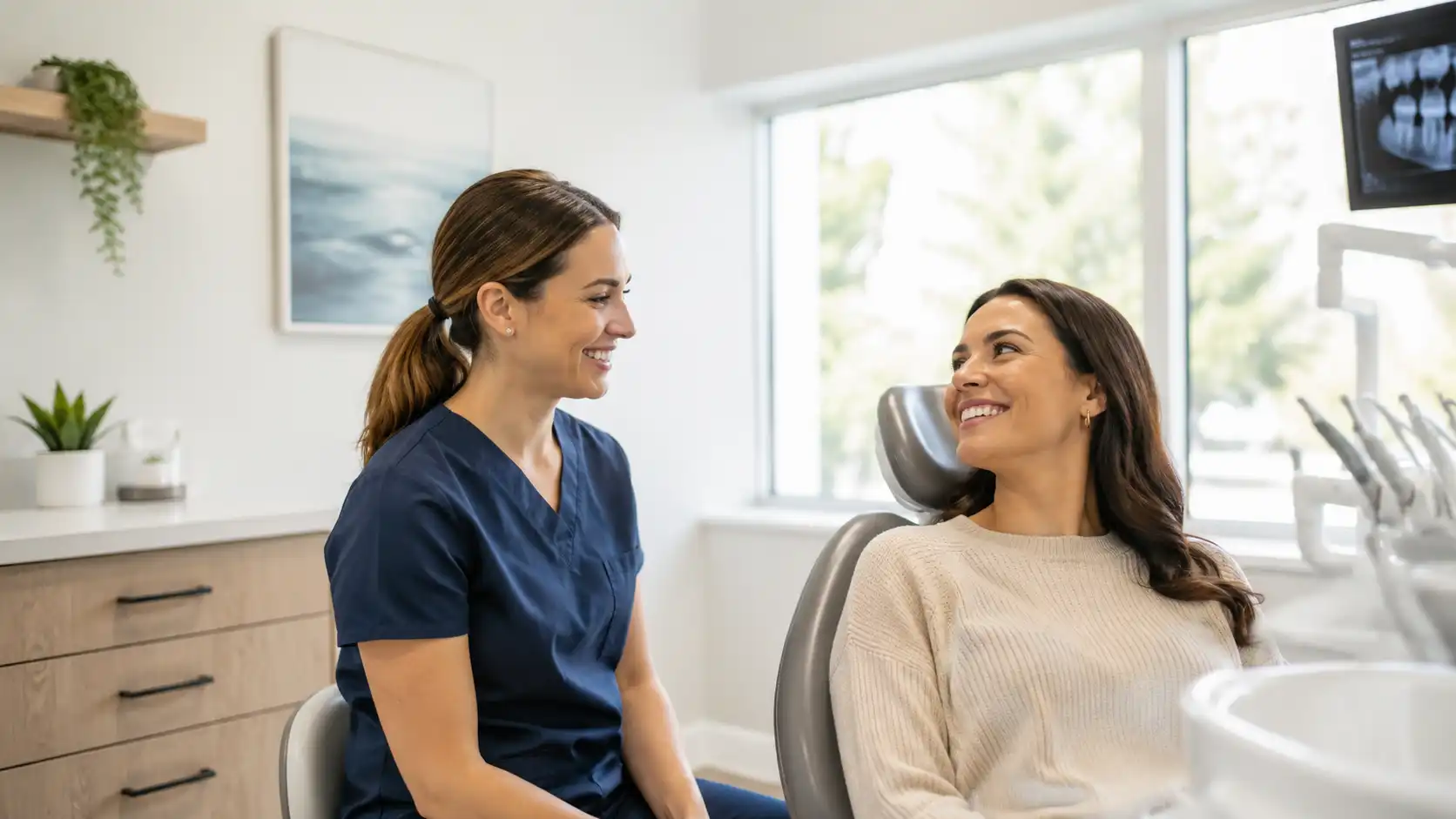
A brighter smile can make a person feel more confident in everyday moments, from family photos to work meetings to a simple conversation with a neighbor. For many patients, tooth discoloration happens gradually. Coffee, tea, red wine, certain foods, tobacco, aging, and even some medications can all affect the color of teeth over time.
The good news is that patients looking for teeth whitening options in Riverview, FL have more choices than ever. From professional in-office whitening to custom take-home trays and over-the-counter products, there are several ways to refresh a smile. The best option depends on the type of staining, oral health, sensitivity level, budget, and personal goals.
This article is for general educational purposes only and is not a diagnosis or treatment recommendation. Anyone considering whitening, especially those with tooth sensitivity, gum concerns, cavities, dental restorations, or medical questions, should consult a licensed dentist for personalized guidance.
Why Teeth Become Stained or Discolored
Before choosing a whitening treatment, it helps to understand why teeth change color. Not all stains respond the same way to whitening products, and that is one reason a dental consultation can be helpful.
Surface stains
Surface stains sit on the outer layer of the tooth, called enamel. These stains often come from common foods and drinks such as coffee, tea, cola, red wine, berries, tomato sauce, and dark-colored spices. Tobacco use can also cause stubborn surface discoloration.
Surface stains are often the easiest to improve with a dental cleaning, whitening toothpaste, or professional whitening treatment.
Deeper internal discoloration
Some discoloration comes from inside the tooth structure. This may happen due to aging, past trauma, certain medications, excessive fluoride exposure during tooth development, or changes in dentin, the layer beneath enamel. Internal discoloration can be harder to whiten and may require a customized approach.
Discoloration from dental work
Fillings, crowns, veneers, bridges, and bonding materials do not whiten the same way natural teeth do. If a patient has visible restorations, a dentist may discuss how whitening could affect the overall shade match. Sometimes patients whiten their natural teeth first, then replace or adjust older restorations for a more even appearance.
Professional In-Office Teeth Whitening
In-office whitening is one of the most popular choices for patients who want noticeable results in a shorter amount of time. This option is performed under dental supervision and typically uses a professional-strength whitening gel.
During an in-office whitening visit, the dental team protects the gums and soft tissues before applying the whitening material to the teeth. Depending on the system used, the gel may be refreshed during the appointment, and a special light may or may not be used.
Who may prefer in-office whitening?
In-office whitening may be a good fit for patients who want a brighter smile before a wedding, graduation, vacation, job interview, or special event. It may also appeal to patients who prefer having the process managed by a dental professional rather than using products at home.
What patients should know
Professional whitening can brighten many smiles, but results vary from person to person. The starting tooth shade, type of stain, enamel thickness, diet, and home care habits all influence the outcome. Some patients may also experience temporary tooth sensitivity after whitening, which usually improves with time and the right aftercare.
Custom Take-Home Whitening Trays
Custom take-home whitening trays are another dentist-supervised option. The dental office creates trays that fit the patient’s teeth closely, then provides whitening gel and instructions for safe home use.
Because the trays are custom-made, they help keep the whitening gel in the right place and reduce excess contact with the gums. Patients usually wear the trays for a set amount of time each day over several days or weeks, depending on the whitening plan.
Why patients like custom trays
Custom trays offer flexibility. Patients can whiten gradually from home and may be able to touch up their smile later as recommended by the dentist. This option can be convenient for people with busy schedules who still want professional guidance.
How custom trays compare to in-office whitening
In-office whitening is typically faster, while take-home trays provide a more gradual approach. Some patients choose one or the other, while others may use both as part of a dentist-directed whitening plan. For example, a patient may start with in-office whitening and maintain results with custom trays over time.
Over-the-Counter Whitening Products
Many patients begin their whitening journey in the dental aisle. Whitening strips, gels, rinses, pens, and toothpastes are widely available and can help with mild staining. These products are generally less concentrated than professional options.
Whitening strips
Whitening strips contain a peroxide-based gel and are placed directly on the teeth for a set amount of time. They may help lighten mild to moderate stains, but they are not custom-fitted. This means they may not cover every tooth evenly, especially if teeth are rotated, crowded, or unevenly shaped.
Whitening toothpaste
Whitening toothpaste can help remove surface stains with gentle polishing ingredients. However, toothpaste does not usually change the deeper natural shade of teeth the way peroxide-based whitening can. It is often better for maintenance than dramatic whitening.
Whitening rinses and pens
Rinses and pens may offer mild brightening or help maintain results, but they typically have shorter contact time with the teeth. Patients looking for a major shade change may find these products less effective than professional whitening.
A note about safety
Over-the-counter whitening products should always be used as directed. Using them too often or leaving them on longer than recommended can increase the risk of tooth sensitivity and gum irritation. Patients who already have sensitive teeth, gum recession, cavities, or dental restorations should ask a dentist before starting any whitening product.
Natural or DIY Whitening: What to Consider
Online videos and social media posts often promote do-it-yourself whitening methods using ingredients such as baking soda, lemon juice, activated charcoal, hydrogen peroxide mixtures, or oil pulling. While these ideas may sound simple, they are not always safe or effective.
Acidic ingredients like lemon juice can weaken enamel. Abrasive materials may scratch the tooth surface if used too aggressively. Once enamel wears away, it does not grow back. That can lead to more sensitivity and make teeth look darker because the yellow-toned dentin underneath becomes more visible.
Patients interested in natural approaches should talk with a dentist first. A dental team can explain which habits are safe, which may be harmful, and how to brighten a smile without damaging enamel.
How to Choose the Right Whitening Option
The right whitening choice is not the same for everyone. A patient with mild coffee staining may need a different approach than someone with deep discoloration, sensitive teeth, or older dental restorations.
Start with a dental exam
A dental exam helps identify issues that should be addressed before whitening. Cavities, gum inflammation, cracked teeth, exposed roots, and leaking fillings can make whitening uncomfortable or less predictable. A professional cleaning may also remove plaque and tartar so whitening products can work more evenly on the tooth surface.
Think about sensitivity
Some patients naturally have sensitive teeth. Others experience sensitivity only after whitening. A dentist may recommend a desensitizing toothpaste, fluoride treatment, shorter wear times, or a lower-strength whitening gel depending on the patient’s needs.
Consider timing
Patients preparing for a special event should plan ahead. Whitening results may take time, and any temporary sensitivity usually needs a little time to settle. If restorations need to be replaced for shade matching, that may also require additional appointments.
Set realistic expectations
Whitening can make a smile look brighter, but it does not create the same result for every person. Teeth naturally have different undertones, and some stains are more resistant than others. A dentist can help explain what is realistic based on a patient’s current shade and oral health.
Keeping Teeth Brighter After Whitening
Whitening is not permanent, but good habits can help results last longer. Patients do not have to give up every favorite food or drink, but small changes can make a noticeable difference.
- Brush twice a day with a fluoride toothpaste.
- Floss daily to reduce plaque buildup between teeth.
- Rinse with water after coffee, tea, wine, or dark-colored foods.
- Use a straw for iced coffee or tea when possible.
- Avoid tobacco products, which can quickly stain teeth.
- Keep up with routine dental cleanings.
- Ask the dentist about safe touch-up whitening options.
Patients who enjoy coffee or tea every day may still maintain a bright smile with consistent home care and occasional touch-ups recommended by their dental team.
When Whitening May Not Be the Best Solution
Teeth whitening is helpful for many types of discoloration, but it is not the answer for every smile concern. If a tooth is dark because of trauma, an old filling, enamel defects, or internal discoloration, other cosmetic options may be more appropriate.
Depending on the situation, a dentist may discuss bonding, veneers, crowns, replacement restorations, or other treatments. These options are not one-size-fits-all, and the best choice depends on the tooth’s health, appearance, and function.
Questions to Ask a Riverview Dentist About Whitening
Patients comparing teeth whitening options in Riverview, FL can feel more confident by asking a few simple questions during a consultation:
- Is whitening safe for the patient’s teeth and gums?
- What type of staining is present?
- Would in-office whitening or take-home trays be a better fit?
- How should sensitivity be managed?
- Will existing crowns, fillings, bonding, or veneers match after whitening?
- How long might results last with the patient’s habits?
- What maintenance plan is recommended?
These questions help turn whitening from a guessing game into a personalized plan.
Frequently Asked Questions About Teeth Whitening
Is teeth whitening safe?
Teeth whitening is generally considered safe when appropriate products are used as directed and when a patient’s mouth is healthy enough for treatment. A dentist can check for cavities, gum problems, exposed roots, or restorations that may affect whitening comfort or results.
How long do whitening results last?
Results vary. Diet, oral hygiene, tobacco use, enamel characteristics, and follow-up care all play a role. Patients who limit staining habits and maintain regular dental cleanings often enjoy longer-lasting brightness.
Does whitening hurt?
Some patients experience temporary sensitivity during or after whitening. This may feel like a quick zing when drinking something cold. A dentist can recommend ways to reduce sensitivity, such as desensitizing toothpaste, adjusted treatment timing, or a different whitening strength.
Will whitening work on crowns or fillings?
No. Whitening products are designed for natural tooth enamel and do not lighten crowns, veneers, fillings, or bonding materials. Patients with visible dental work should ask a dentist how whitening may affect shade matching.
How white can teeth get?
The final shade depends on the natural color of the teeth, the type of staining, and the whitening method used. A dentist can help patients choose a goal that looks bright but still natural.
Can someone whiten teeth before a special event?
Yes, many patients choose whitening before weddings, photos, vacations, or important events. It is best to schedule a consultation early so there is time for treatment, sensitivity management, and any needed dental work.
Are store-bought whitening strips enough?
They may help with mild stains, but they may not work evenly for every smile. Professional options often provide more customization, especially for patients with sensitivity, deeper stains, or specific cosmetic goals.
A Brighter Smile Starts With the Right Guidance
With so many whitening products available, it can be hard to know which one is worth choosing. Professional guidance helps patients avoid unnecessary sensitivity, protect their enamel, and select an option that fits their smile goals.
For patients exploring teeth whitening options in Riverview, FL, a consultation with a trusted dental team is a comfortable first step. The dentist can evaluate the cause of discoloration, explain realistic options, and recommend a whitening plan designed around the patient’s oral health, lifestyle, and comfort.
Anyone ready to refresh their smile can contact New Image General Dentistry to ask questions, schedule a visit, and learn which whitening approach may be right for them.